Roaming from Belarus: Where to Go & How to Stay Connected
Belarusian travelers face steep roaming charges from home carriers. Learn what international data costs, where Belarusians typically travel, and how to avoid bill shock abroad.
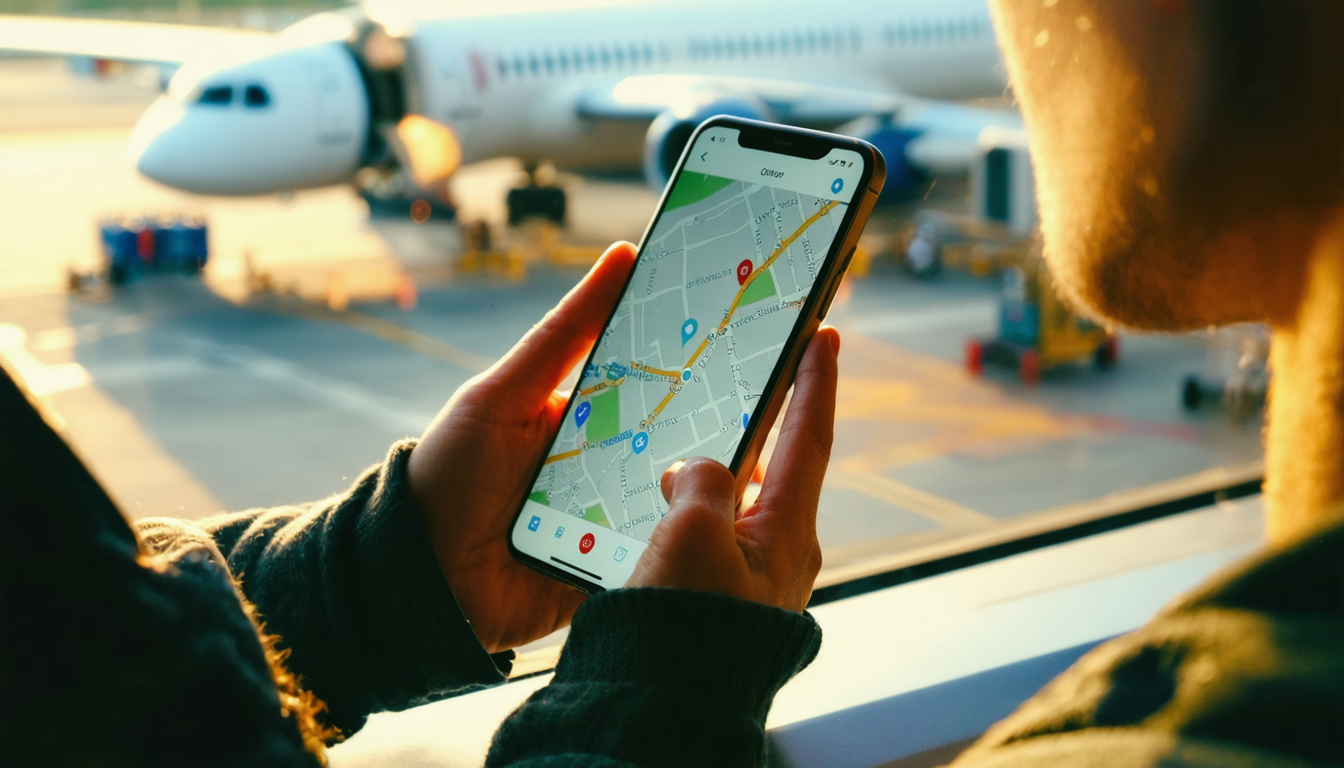
When you leave Belarus, your home carrier's roaming rates can turn a budget trip into an expensive one. Whether you're heading to Poland, Lithuania, Turkey, or further afield, understanding your connectivity options before departure saves money and stress. Most Belarusian travelers still rely on roaming from MTS, A1, life:), or Beltelekom—and the costs reflect it.
What Roaming Really Costs from Belarus
Daily roaming passes from major Belarusian carriers typically run 10–20 BYN per day for limited data, with overage charges kicking in fast once you exceed the bundle. Pay-as-you-go roaming data is even steeper: 1–2 BYN per megabyte in many destinations. A casual traveler checking email, messaging, and maps can easily rack up 50–100 BYN in roaming charges over a week-long trip. The recent surge in mobile internet consumption during travel, noted in local telecom reports, reflects both increased data use and the pain of high roaming fees.
Popular Outbound Routes & Coverage
Belarusian travelers most often head to neighboring EU countries (Poland, Lithuania, Latvia), Turkey, Egypt, and Southeast Asia. In EU nations, roaming is regulated and often more predictable, but still pricey through home carriers. Turkey's Turkcell, Vodafone, and Türk Telekom offer tourist SIMs at airports, though registration can be slow. In Egypt, Etisalat and Vodafone Egypt sell prepaid SIMs easily at Cairo and Hurghada airports. Southeast Asia—Thailand, Vietnam, Malaysia—attracts budget-conscious Belarusians; local carriers like AIS, TrueMove H, Telkomsel, and Maxis have cheap prepaid plans and airport counters.
The catch: buying a local SIM abroad means losing access to your Belarusian number for calls and SMS, which complicates staying in touch with family back home.
Why a Travel eSIM Simplifies Everything
A travel eSIM avoids the roaming trap entirely. Instead of paying roaming rates, you buy prepaid local-price data valid in your destination—typically far cheaper than what your home carrier charges. You keep your regular SIM in the phone, so your Belarusian number stays active: WhatsApp, SMS, and calls on your own number work normally, no switching SIMs required.
The process is frictionless: you buy a plan online before or during your trip, receive a QR code by email within seconds, scan it to activate, and you're connected. No queuing at airport counters, no passport registration delays, no language barriers. If something goes wrong—no signal, wrong plan, questions about data—24/7 support is available to help.
Getting Started
Before your next trip, check current plans and prices for your destination at doft.com/esim. Doft covers 190+ countries, so whether you're flying to Warsaw, Istanbul, Bangkok, or anywhere in between, an eSIM plan is likely waiting. Instant delivery means you can buy it from your couch in Minsk or from your gate at the airport—the QR arrives the same way either time.
Your Belarusian number stays yours, your wallet stays fuller, and you travel connected without the roaming shock.
Source: news.google.com
Traveling soon?
Get your eSIM in minutes and land connected — plans from $2.99.