Staying Connected in Indonesia: Local Networks & Travel eSIM Guide
Indonesia's three major carriers offer affordable prepaid SIMs, but instant eSIM delivery and keeping your home number active make travel far simpler. Here's what to know before you arrive.
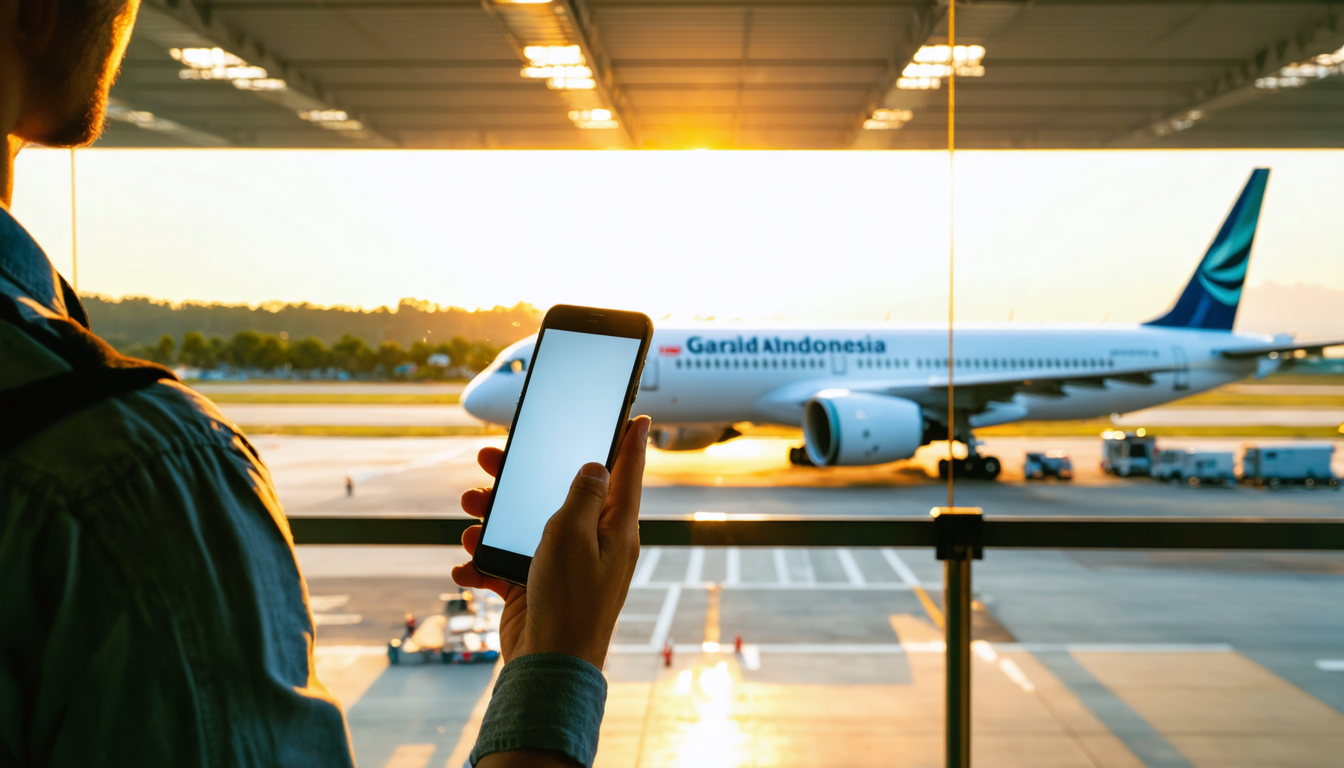
Indonesia welcomes millions of visitors annually to Bali, Java, and beyond—and staying connected is straightforward once you understand how the local mobile market works. The country's three dominant carriers (Telkomsel, Indosat, and XL Axiata) all offer reliable coverage in tourist zones, but arrival day connectivity and data costs vary widely. Knowing your options before you land saves time and money.
The Big Three Carriers & Tourist SIMs
Telkomsel, Indosat Ooredoo, and XL Axiata dominate Indonesia's mobile landscape. All three run airport counters in Jakarta (CGK), Bali (DPS), and other major hubs where you can buy a tourist prepaid SIM on arrival. Expect to show your passport and receive an Indonesian number instantly. Data-heavy plans are genuinely affordable by global standards—local prepaid rates run far below international roaming day-passes. However, airport counters mean queues, and you'll lose your home number while the local SIM is active, making WhatsApp and SMS on your regular number impossible until you swap back.
Coverage in Tourist Areas
Bali, Jakarta, Yogyakarta (near Prambanan temple), and Lombok all enjoy solid 4G coverage from all three carriers. Telkomsel tends to have the widest rural reach if you're venturing beyond resort towns. Beach areas and popular trekking regions like Mount Bromo generally have signal, though remote islands and deep jungle spots may drop to 3G or spotty coverage. Tourist accommodations almost always offer free WiFi, which handles messaging apps and email reliably. If you're island-hopping or spending time in less developed areas, download offline maps (Google Maps works in Indonesia) before you go.
How Much Data Do You Need?
A typical two-week Indonesia trip uses 2–4 GB if you're navigating, messaging, and streaming occasional video on 4G. Light users (WiFi-first, maps downloaded, messaging over WiFi) may need only 1 GB. Heavy streamers or those working remotely should budget 5–8 GB. Local prepaid plans often bundle data generously—5 GB for a week is common at local-price rates. The catch: buying top-ups mid-trip requires Indonesian language skills or help from hotel staff, and roaming back to your home country (if you kept a local SIM) incurs international rates.
The eSIM Advantage for Indonesia
An eSIM sidesteps the airport queue and passport registration entirely. You receive a QR code by email seconds after purchase, scan it before you land, and activate local-price data instantly. Your regular SIM stays in the phone, so WhatsApp, iMessage, and SMS continue working on your home number throughout your trip—crucial if family or work needs to reach you. Indonesia's major carriers (Telkomsel and Indosat) support eSIM profiles, giving you genuine local coverage without the swap-and-wait. See current plans and prices for Indonesia at doft.com/esim, activate on the plane or at the airport gate, and walk out ready to navigate.
Final Tips
Bring your phone's IMEI or a screenshot of your eSIM QR code as backup. Most hotels and warungs offer WiFi—use it for large downloads. If you do buy a local SIM at the airport, keep your receipt; topping up is easier with proof of registration. Indonesia's telecom rules follow local regulations, so voice apps may have limitations depending on your carrier. For pure data and messaging, you'll have no trouble.
Source: news.google.com
Traveling soon?
Get your eSIM in minutes and land connected — plans from $2.99.