Staying Connected in Indonesia: Mobile Data for Island Hopping
Indonesia's three major carriers offer reliable coverage across tourist hotspots, but roaming costs can spiral fast. Here's how to stay connected affordably from Bali to Lombok.
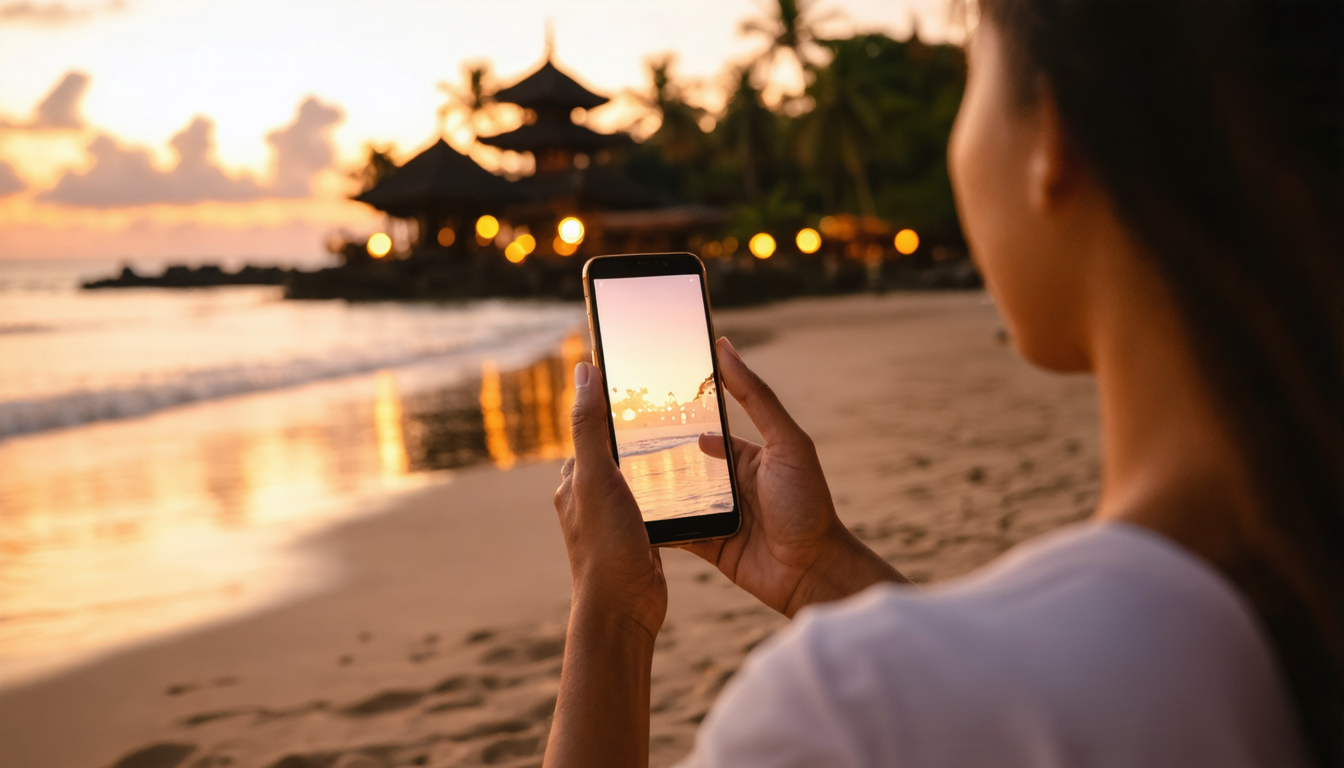
With over 1.5 million international visitors arriving monthly, Indonesia has never been busier—and your phone needs to keep pace. Whether you're island-hopping between Bali and the Gili Islands, exploring Jakarta's street food scene, or trekking in Sumatra, staying connected is essential for navigation, messaging home, and sharing your journey. The good news: Indonesia's mobile infrastructure is solid. The challenge: roaming charges can turn a budget trip expensive fast.
How Roaming Works (and Why It's Costly)
If you arrive with your home SIM active, your carrier will charge international roaming rates—typically 5–15 times what locals pay for the same data. A single day of casual browsing, maps, and messaging can cost 20–40 units of your home currency. Over a two-week trip, that adds up. Indonesia's major carriers—Telkomsel, Indosat, and XL Axiata—all offer prepaid tourist packages, but these are still pricier than local rates and often include expiry clauses that waste unused data.
Local Tourist SIMs: The Traditional Route
You can buy a local prepaid SIM at Ngurah Rai Airport (Bali), Soekarno-Hatta (Jakarta), or any convenience store. Telkomsel and Indosat both have counters in arrivals. You'll need your passport and will typically register within minutes. Prepaid plans are cheap—often just a few units for several GB—but the catch is data-only SIMs don't preserve your home number, so WhatsApp, SMS, and calls revert to a temporary local number. If you travel frequently or rely on your regular number for work, this friction adds up. Plus, managing multiple SIMs across multiple countries on a longer trip becomes tedious.
Coverage Across Tourist Regions
All three carriers blanket Bali, Jakarta, Yogyakarta, and Surabaya with 4G. Lombok, the Gili Islands, and Flores have solid coverage in towns and resorts, though rural areas and some dive sites see patchy 3G. The Komodo region and remote Sumatra trails are less reliable—download offline maps before heading out. Telkomsel generally has the widest rural reach. Signal strength in crowded beach areas during peak season can dip, so don't assume seamless speeds everywhere.
How Much Data You'll Actually Need
Maps, messaging, and social media uploads consume 1–2 GB daily if you're moderately active. Video streaming burns through data quickly; stick to Wi-Fi at your hotel or café for that. Most travelers on a two-week trip comfortably use 10–15 GB total. If you're hiking, diving, or spending days away from towns, download offline maps and cache directions beforehand.
A Simpler Option: Travel eSIM
If the idea of swapping SIMs, managing registration, or losing your home number doesn't appeal, a travel eSIM keeps your regular SIM active so WhatsApp, SMS, and calls stay on your own number—crucial if someone needs to reach you. You get a QR code by email seconds after purchase, activate it instantly on your phone, and enjoy prepaid local-price data with no roaming fees. Coverage runs on the same local networks (Telkomsel, Indosat, XL Axiata), so reliability is identical. See current plans and prices for Indonesia at doft.com/esim. With 24/7 support and no expiry pressure, it's one less thing to think about while you're exploring temples and rice terraces.
Source: news.google.com
Traveling soon?
Get your eSIM in minutes and land connected — plans from $2.99.