Stay Connected in Malaysia: Data Plans, Networks & Coverage for Visitors
Malaysia welcomes over 10 million international visitors annually. Here's what you need to know about mobile data, local carriers, and staying online across Kuala Lumpur, Penang, and beyond.
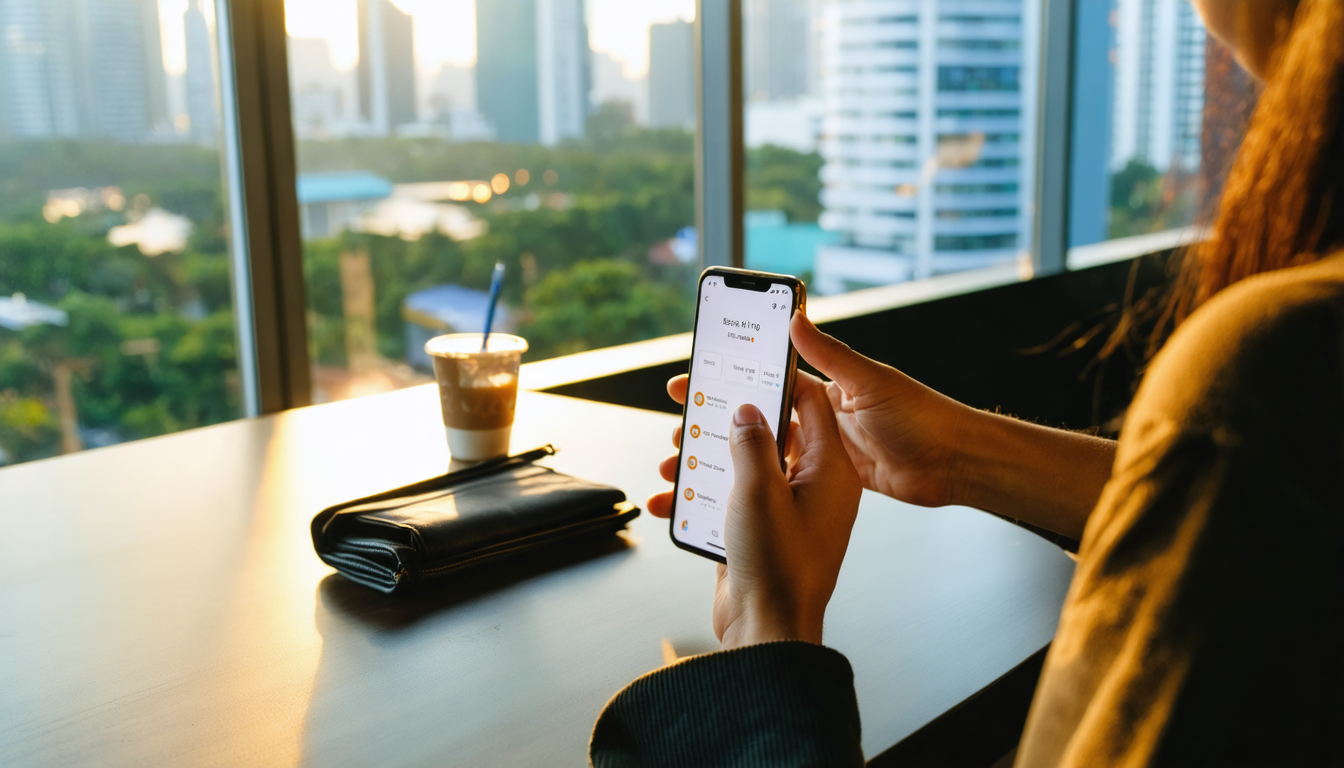
Malaysia is one of Southeast Asia's top tourism destinations, with excellent infrastructure and reliably fast mobile networks. Whether you're exploring Kuala Lumpur's skyline, island-hopping in Penang, or trekking in Borneo, staying connected is straightforward—but knowing your options beforehand saves money and frustration.
Malaysia's Main Mobile Networks
Three major carriers dominate: Maxis, Celcom, and U Mobile, with smaller players like Digi and Yes. Recent network reports show U Mobile leading in speed metrics across Malaysia, while Maxis and Celcom offer the widest coverage, especially in rural and tourist areas. All three have strong 4G/LTE coverage in cities and popular destinations like the Petronas Twin Towers, Georgetown, and Langkawi. Rural areas and jungle treks may see 3G fallback, but connectivity is generally reliable along main routes.
Tourist SIM Cards: Where to Buy & What They Cost
You can buy a prepaid tourist SIM at Kuala Lumpur International Airport (KLIA), Penang International Airport, or any 7-Eleven, convenience store, or carrier shop nationwide. You'll need your passport for registration. Popular options include U Mobile's ULTRA5G Tourist SIM (100GB + RM186 vouchers for RM15, roughly $3–4 USD) and standard Maxis/Celcom tourist packages starting around RM20–50 for 5–10GB over 7–30 days. Activation is instant; data begins immediately after topping up.
The catch: if you're staying longer than a week or two, tourist SIMs can feel expensive relative to local plans. A 10GB tourist package might cost RM40–60, whereas a local prepaid plan with the same data runs RM25–35. Roaming rates from your home country are far steeper—most carriers charge $8–15/day for data abroad, or 50–80 cents per MB, which adds up fast on a two-week trip.
Coverage in Popular Tourist Areas
Kuala Lumpur, Penang, Johor Bahru, and resort islands like Langkawi and the Perhentian Islands all have excellent 4G coverage. Cameron Highlands and Genting Highlands are well-served. Signal weakens in deep jungle or offshore areas, but you'll rarely lose connectivity entirely in populated tourist zones. Download offline maps before venturing into national parks—Taman Negara and Kinabalu Park have patchy coverage despite being popular destinations.
The Data Question: How Much Do You Need?
For a typical two-week trip: navigation, messaging, social media, and light streaming require 2–5GB. If you're video-calling daily or uploading lots of photos, aim for 10–15GB. Most tourist SIMs offer generous allowances (5–20GB is standard), so overage rarely happens. Local data is cheap—a 1GB add-on costs RM3–5.
Why a Travel eSIM Simplifies Things
Buying a physical SIM at the airport works, but it means swapping cards or managing two phones. A travel eSIM avoids that friction entirely: you keep your regular SIM in the phone so WhatsApp, SMS, and calls on your own number keep working without interruption. Doft eSIM delivers a QR code by email within seconds of payment—activate it before you land, and data is live the moment you touch down. Plans come in a range of data sizes, with coverage across Malaysia and 190+ countries, so if your trip extends to Thailand or Singapore, you're covered. Support is available 24/7 if anything goes wrong.
Malaysia's networks are reliable and tourist-friendly. Whether you choose a local SIM, a tourist package, or a travel eSIM, you'll stay connected easily across this vibrant, well-connected destination.
Source: news.google.com
Traveling soon?
Get your eSIM in minutes and land connected — plans from $2.99.