Stay Connected in Malaysia: Mobile Plans for Every Tourist
Malaysia welcomes over 10 million visitors yearly. Here's what you need to know about local networks, tourist SIMs, and staying online across Kuala Lumpur, Penang, and beyond.
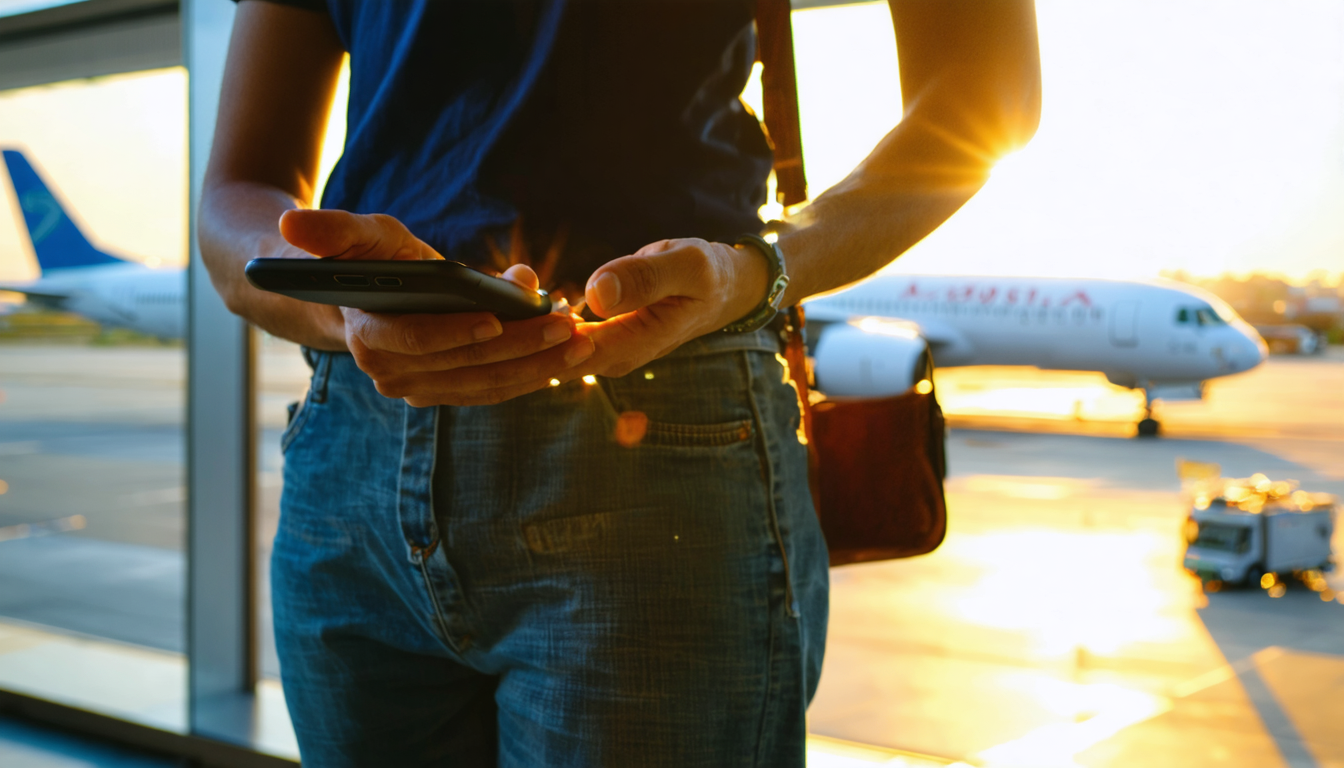
Malaysia's three major carriers—Maxis, Celcom, and Digi—offer excellent 4G and expanding 5G coverage across cities and popular tourist routes. Whether you're exploring the Petronas Towers, island-hopping in Langkawi, or hiking in national parks, understanding your connectivity options before arrival saves money and stress.
What Roaming Really Costs
International roaming through your home carrier typically runs $8–15 per day for a basic data allowance, and overage charges can spike quickly. A week in Malaysia on roaming alone could easily cost $60–100. Most travelers find this far steeper than local alternatives.
Tourist SIMs at the Airport
All three major Malaysian airports—Kuala Lumpur International, Penang, and Kota Kinabalu—have carrier counters in the arrivals hall. You can pick up a prepaid SIM (usually RM10–20, roughly $2–5) and top up data on the spot. Maxis, Celcom, and Digi all sell tourist packages: typically 5–10 GB for 7 days costs RM25–50 ($5–11). Registration is straightforward—bring your passport. The process takes 10–15 minutes. These SIMs work reliably in cities and along major highways; coverage in remote jungle or deep rural areas can be patchy, but tourist hotspots like the Genting Highlands, Cameron Highlands, and island resorts are well-served.
Data Needs for a Malaysian Trip
For a typical week: navigation (Google Maps) uses ~50 MB per day; social media and messaging, 200–400 MB; streaming video, 500 MB–1 GB per hour. A 7–10 GB plan covers casual navigation, messaging, and occasional video. If you plan heavy streaming or video calls, aim for 15 GB. Most tourist SIMs auto-renew if you top up before expiry, so you can extend as needed.
Coverage in Tourist Regions
Kuala Lumpur, Penang, Johor Bahru (especially with the new Singapore–Johor Bahru RTS link nearing completion), and coastal resort areas have solid 4G coverage. Maxis and Celcom tend to have slightly better rural reach. In the interior—national parks like Taman Negara—signal drops; download offline maps beforehand. Hotlink (a Maxis sub-brand) recently launched a 7-day multi-country travel SIM offering data across four countries from RM25, which suits visitors planning onward travel to Singapore, Thailand, or Brunei.
Why an eSIM Simplifies Everything
If you prefer not to swap physical SIMs or visit an airport counter, a travel eSIM avoids that friction entirely. You keep your regular SIM in your phone, so WhatsApp, SMS, and calls to your home number keep working. Data plans for Malaysia come in a range of sizes, and you receive the QR code by email within seconds of purchase—activate it from your hotel room or the airport lounge before you land. No queuing, no language barrier, no registration paperwork. With 24/7 support, if coverage feels weak in a specific area, you have someone to troubleshoot with immediately.
Malaysia's network infrastructure is modern and competitive; you'll stay connected easily with any of these options. Choose based on convenience: airport SIM for simplicity and a local number, eSIM for speed and keeping your own number active.
Source: news.google.com
Traveling soon?
Get your eSIM in minutes and land connected — plans from $2.99.