Stay Connected in Malaysia: Mobile Plans for Visitors
Malaysia welcomes over 21 million international tourists annually. Here's how to get reliable local data without surprise roaming charges.
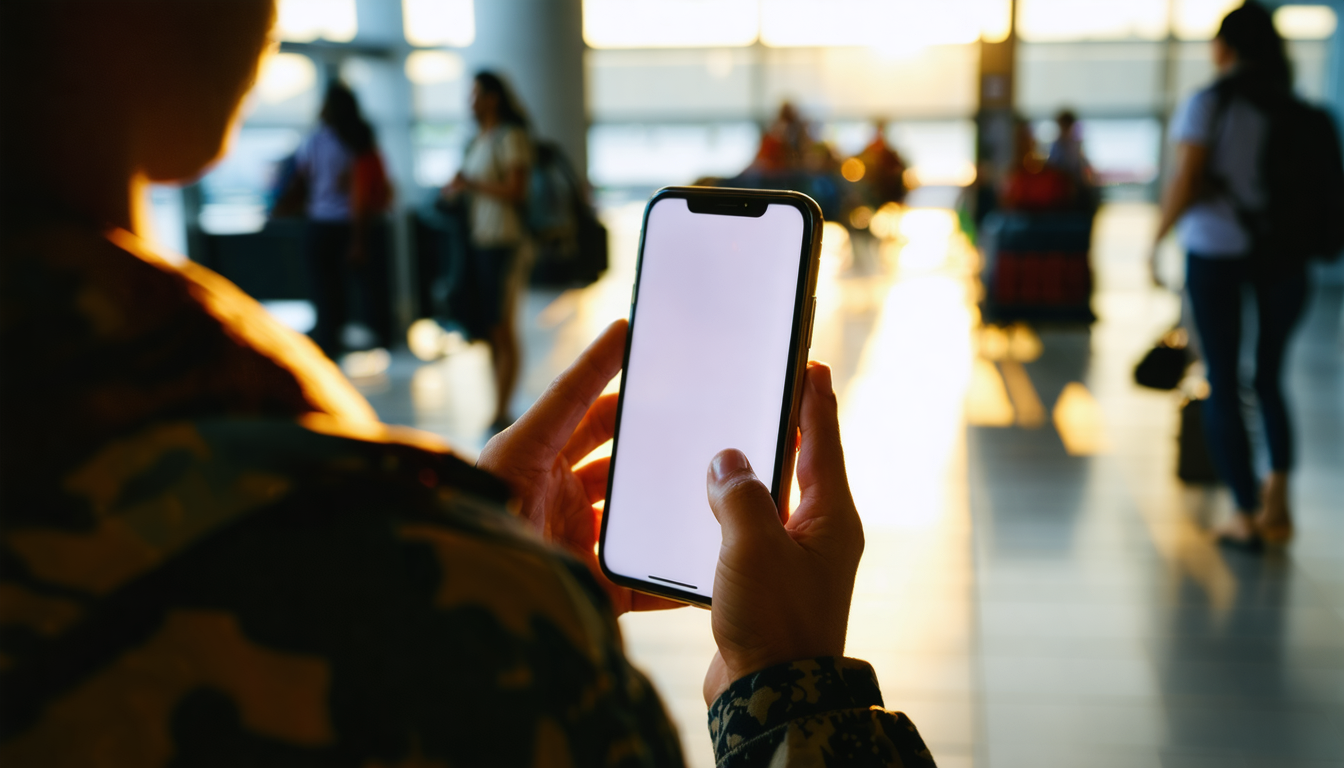
Malaysia is one of Southeast Asia's top travel destinations, drawing millions of visitors to Kuala Lumpur's skyline, Penang's heritage streets, and Borneo's rainforests each year. Getting connected quickly and affordably is essential—whether you're navigating the Petronas Twin Towers, booking a night market dinner, or staying in touch with friends back home. Understanding your mobile options before you arrive saves time at the airport and money throughout your trip.
The Big Three Networks
Malaysia's mobile landscape is dominated by three carriers: Maxis, Celcom, and Digi. All three offer nationwide 4G coverage in cities and most tourist areas, with 5G rolling out in urban centers. Maxis and Digi typically rank well for network experience in independent assessments. Coverage in Kuala Lumpur, Penang, Melaka, and Johor Bahru is excellent; in more remote areas like Sabah and Sarawak, signal can be patchier but remains serviceable on main routes. Voice apps follow local telecom rules, so check your provider's terms if VoIP is critical to your plans.
Tourist SIM Cards at the Airport
All three carriers operate SIM counters at Kuala Lumpur International Airport and other major entry points. Tourist SIMs are quick to activate—just show your passport—and plans typically start from around RM10–30 ($2–7 USD) for 3–7 days of data. You'll receive a local number, which is handy for booking taxis, restaurants, or hotel check-ins via WhatsApp. The downside: roaming day-passes from your home carrier often cost $8–15 per day for limited data, and you'll lose access to your regular number's SMS and messaging while using a local SIM. Switching back and forth is inconvenient.
How Much Data Do You Need?
For a typical week in Malaysia, budget 3–5 GB if you're using maps, social media, and messaging regularly. Urban areas have abundant free WiFi in malls, cafes, and hotels, so you can stretch prepaid data by connecting offline when possible. If you're streaming video or working remotely, aim for 8–10 GB. Tourist SIM plans often bundle generous allowances (5–15 GB for short stays) at local prices, making them better value than roaming.
The eSIM Advantage
If you want to keep your home number active for WhatsApp, iMessage, and SMS without juggling physical SIMs, a travel eSIM is ideal. You activate it instantly via QR code—no airport counter, no paperwork—and your regular SIM stays in the phone. Doft eSIM covers Malaysia on all three major networks with plans in a range of data sizes, delivered by email seconds after payment. You'll get local-rate data without roaming fees, 24/7 support if you hit any snags, and the flexibility to top up on the go via the app. It's especially useful if you're island-hopping or crossing into Singapore or Thailand, since you can switch plans between countries without changing physical SIMs.
Getting Started
Whichever option you choose, arrive with a plan. Tourist SIMs are reliable and familiar; eSIMs are faster and keep your home connectivity alive. Either way, you'll stay connected across Malaysia's cities, beaches, and countryside without the shock of roaming bills.
Source: news.google.com
Traveling soon?
Get your eSIM in minutes and land connected — plans from $2.99.