Staying Connected in Malaysia: Local Networks & Tourist SIM Options
Malaysia's three major carriers offer fast 4G/5G across cities and tourist hotspots, but roaming charges can surprise you. Here's how to stay connected affordably from day one.
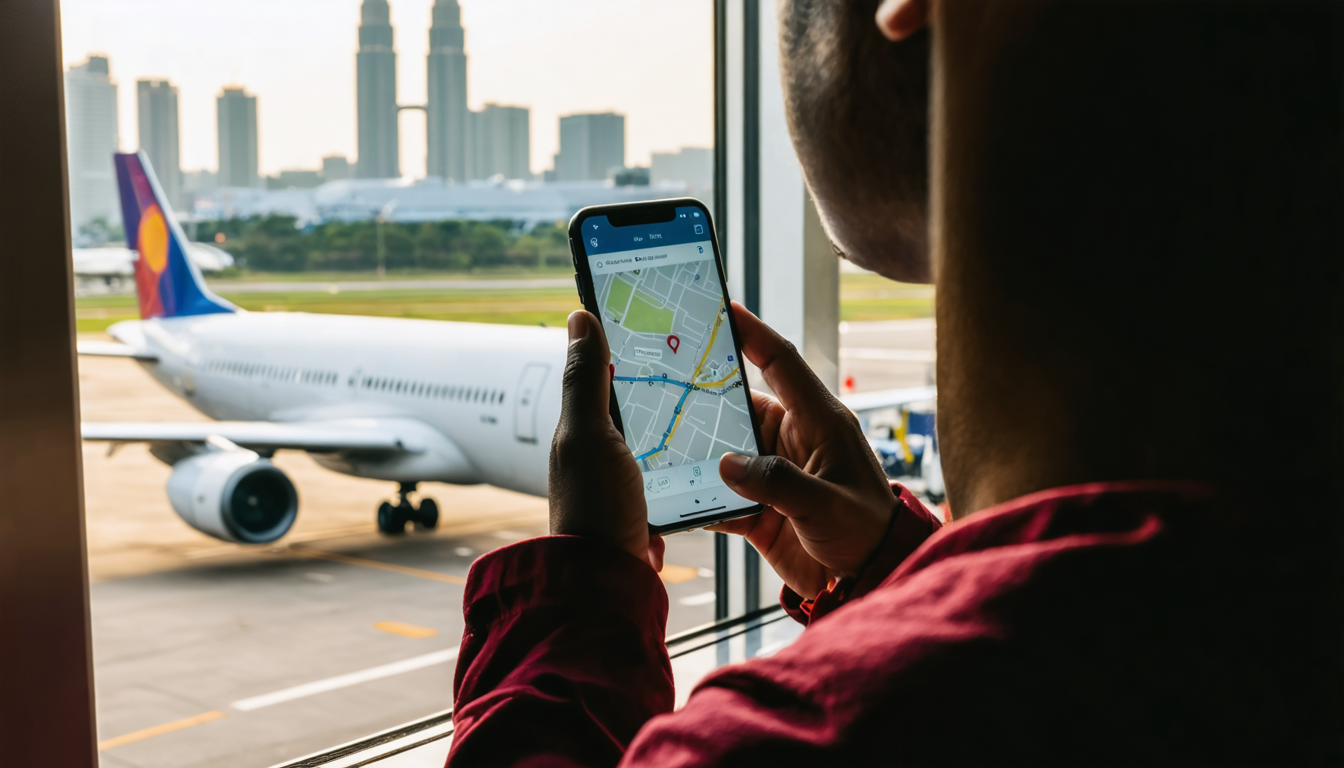
Malaysia welcomes over 10 million visitors annually, and staying connected is easier here than in many Southeast Asian destinations—but only if you plan ahead. The country has excellent mobile infrastructure with three dominant carriers (Maxis, Celcom, and U Mobile) competing aggressively on data speeds and pricing. Whether you're island-hopping in Penang, exploring Kuala Lumpur's skyline, or diving off Sabah's coast, understanding your connectivity options will save money and frustration.
How Roaming Really Costs in Malaysia
If you arrive on your home carrier's roaming plan, expect day-passes of $10–15 USD for limited data, or per-MB charges of 50¢–$1 once you exceed the bundle. A week of casual browsing, maps, and messaging can easily cost $50–80 on roaming alone. Malaysia's local carriers are far cheaper, but the catch is you need a local SIM or eSIM to access those rates.
Local Tourist SIMs at the Airport
Kuala Lumpur International Airport (KLIA), Penang International, and other major entry points have carrier kiosks in the arrivals hall. Maxis, Celcom, and U Mobile all sell prepaid tourist packages starting around RM30–50 ($6–11 USD) for 5–10 GB over 7–30 days. Setup takes 10–15 minutes: you'll hand over your passport, choose a plan, and walk away with an active SIM. The downside is your existing phone number goes silent—WhatsApp, SMS, and calls on your home number pause until you swap SIMs back.
Coverage & Speed in Tourist Areas
All three carriers blanket Kuala Lumpur, Penang, Johor Bahru, and Malacca with reliable 4G. U Mobile recently ranked highly in independent network experience reports for data consistency. In more remote areas—deep jungle treks, small islands, or rural Sarawak—coverage can thin, but coastal and city-center tourism hubs are well-served. Tourist SIMs work seamlessly for Google Maps, Instagram uploads, and video calls in these zones.
The eSIM Advantage for Malaysia
An eSIM plan lets you keep your home SIM active in the phone's second slot, so your own number stays reachable via WhatsApp and SMS throughout your trip. No swapping, no downtime, no risk of losing your SIM in a bag. Doft eSIM's Malaysia plans come in a range of data sizes, activate instantly via QR code (delivered by email seconds after payment), and give you local-rate data from day one. You get the same carrier speeds as a physical tourist SIM, but without the airport queue or passport hassle. If you hit a connectivity snag, Doft's 24/7 support is a message away—handy when you're navigating an unfamiliar city.
How Much Data Do You Need?
For a typical two-week trip: light use (maps, messaging, occasional video) runs 3–5 GB; moderate use (daily Instagram, streaming music, video calls) needs 8–12 GB. Most tourist SIMs and eSIM plans cap out at 10–15 GB, which suits most travelers. If you're a heavy streamer or working remotely, consider a 20+ GB plan or a local postpaid SIM (requires a local address and longer commitment).
Malaysia's mobile market is competitive and tourist-friendly. A local SIM—whether physical or eSIM—is the fastest, cheapest way to stay online. If you value keeping your home number active and skipping airport counters, an eSIM is worth the small upfront cost.
Source: news.google.com
Traveling soon?
Get your eSIM in minutes and land connected — plans from $2.99.