Staying Connected in Malaysia: Local Networks, Tourist SIMs & Data Plans
Malaysia's three major carriers offer reliable 4G/5G across cities and tourist hotspots, but roaming charges can surprise you. Here's how to pick the right local data plan for your trip.
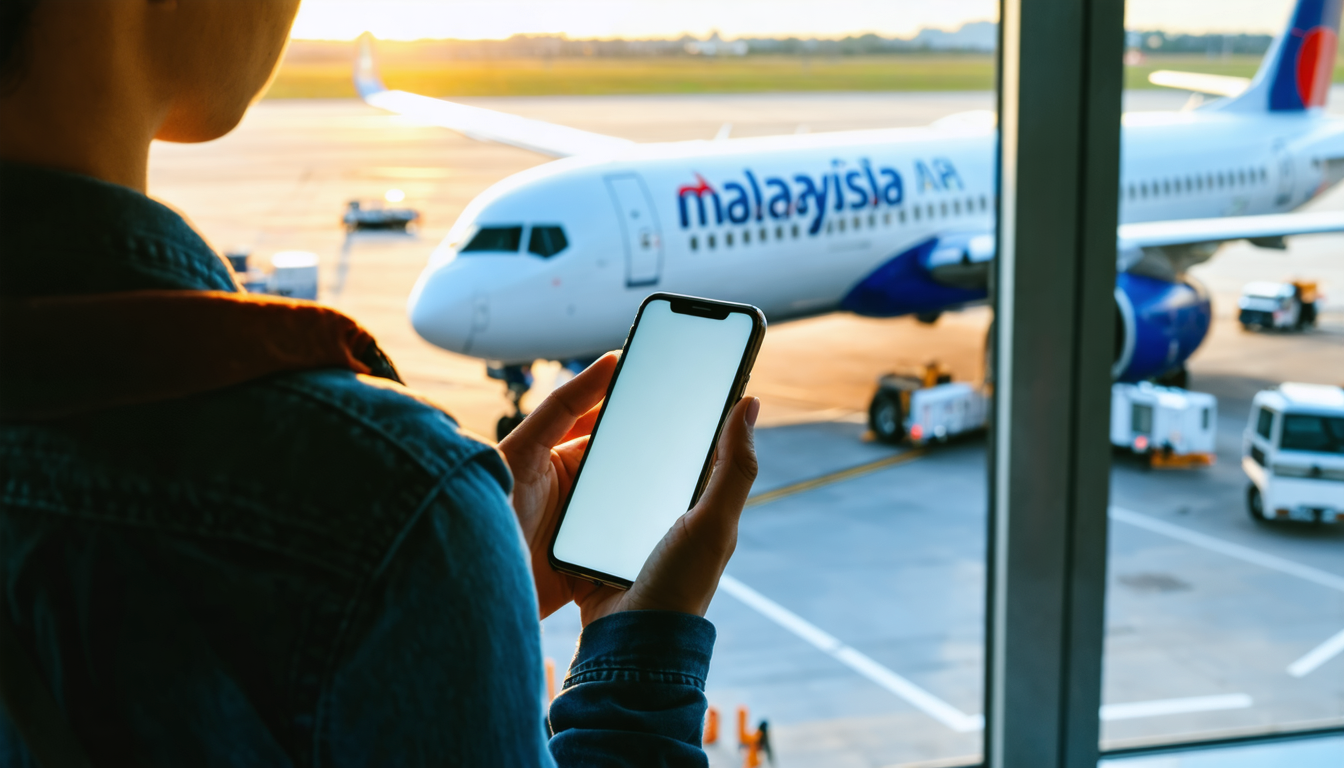
Malaysia is easy to navigate on foot, but staying connected while exploring Kuala Lumpur, Penang, or the Borneo coast makes the journey smoother. The country's mobile infrastructure is modern and competitive—Maxis, Celcom, and Hotlink dominate the market with solid 4G/5G coverage in urban areas and popular tourist regions. The challenge isn't finding a signal; it's choosing between roaming charges, tourist SIMs, and data plans without overpaying or getting stuck with an unused balance.
Roaming Costs: Why Your Home Plan Will Disappoint
International roaming in Malaysia typically costs between 8–15 per MB on most carriers, which sounds small until you're streaming a video or downloading maps offline. A single day of moderate use—checking email, messaging, light browsing—can easily exceed 50–100 MB, pushing daily charges into double figures. Most carriers offer daily roaming passes (usually 24–48 hours of limited data), but these add up quickly over a week-long trip. If you're staying longer than 3–4 days, roaming is almost always the most expensive option.
Local Tourist SIMs: The Traditional Route
Malaysia's three main carriers—Maxis, Celcom, and Hotlink—all sell tourist SIM cards at Kuala Lumpur International Airport, major shopping malls, and convenience stores like 7-Eleven. Tourist SIMs cost a few ringgit for the card itself, then you buy a data package separately. A typical 5GB plan runs around 30–50 ringgit for 7–30 days. The advantage: genuinely local prices and straightforward coverage. The catch: you'll need to swap your physical SIM, which means losing access to SMS and calls on your home number while you're traveling. If WhatsApp and email are your only contact methods, this works fine. If you need to receive SMS verification codes or stay reachable on your regular number, a tourist SIM becomes less convenient.
Coverage in Tourist Areas
Malaysia's 4G network reaches well beyond the Petronas Towers. Maxis and Celcom both cover Penang's Georgetown, Langkawi's beaches, and the Cameron Highlands reliably. In Sabah and Sarawak (Borneo), coverage is good in Kota Kinabalu and Kuching but thins out in jungle and rural areas—a known limitation across the region. For city-based tourism, you'll have no trouble. For remote trekking or island-hopping, download offline maps before you go.
How Much Data Do You Actually Need?
A week in Malaysia typically requires 3–5GB if you're using maps, messaging apps, and occasional video. Navigation and maps are the biggest data consumers; if you download offline maps for Kuala Lumpur and Penang before arrival, you'll cut usage significantly. Streaming video or music daily will push you toward 10GB+. Most tourist SIMs offer flexible packages, so buy what suits your itinerary rather than guessing.
The Simpler Alternative: eSIM
If keeping your regular number active and avoiding the SIM-swap hassle appeals to you, a travel eSIM delivers a local Malaysian data plan instantly—no airport counter queues, no passport registration, no physical card swap. Your original SIM stays active, so WhatsApp, SMS, and calls on your home number keep working. You'll get a QR code by email seconds after purchase, scan it on your phone, and you're online on local prices within minutes. Coverage and speeds match the same carriers' tourist SIMs, but without the friction. See current plans and prices for Malaysia at doft.com/esim to compare options for your trip length and data needs.
Source: news.google.com
Traveling soon?
Get your eSIM in minutes and land connected — plans from $2.99.