Staying Connected in Malaysia: Local SIMs, Networks & Data Plans
Malaysia welcomes over 10 million international visitors annually. Here's what you need to know about mobile coverage, local carriers, and the simplest way to stay online across Peninsular Malaysia, Sabah, and Sarawak.
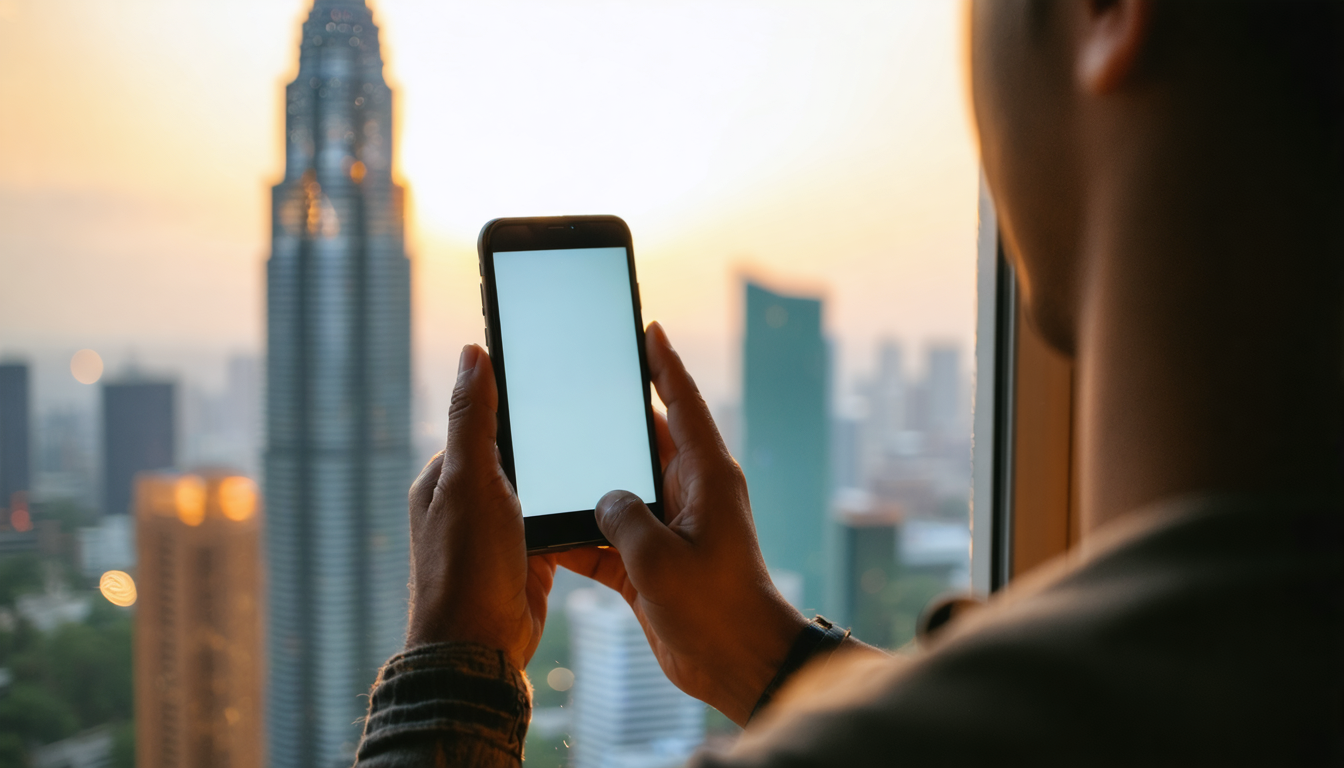
Malaysia's three major carriers—Maxis, Celcom, and U Mobile—offer solid 4G/5G coverage across populated areas and tourist hotspots. Whether you're exploring Kuala Lumpur's skyline, island-hopping in Penang, or venturing into Sabah's rainforests, understanding your connectivity options before arrival saves frustration and unexpected bills.
Coverage & Network Quality
Maxis, Celcom, and U Mobile all operate nationwide infrastructure with comparable speeds in cities and coastal regions. Kuala Lumpur, George Town, and Kota Kinabalu have reliable coverage; rural Sarawak and interior Sabah can be patchier. 4G is standard in towns; 5G rollout is expanding but not essential for typical travel needs. Signal strength varies by carrier and location—no single "best" network, though Maxis traditionally has broad reach. Tourist areas like the Petronas Towers, Langkawi beaches, and Cameron Highlands are well-served.
Tourist SIM Cards at the Airport
All three major carriers staff counters at Kuala Lumpur International Airport (klia2) and other entry points. Tourist SIM packages typically bundle 5–15 GB for 7–30 days at local prices (far cheaper than roaming). You'll need your passport and may face a brief registration process. Activation is instant. Prepaid tourist plans start from around RM17–50 depending on data and validity—significantly lower than international roaming day-passes from your home carrier, which often cost RM30–80 per day for limited data.
Roaming Costs & Why Local Data Wins
If you keep your home SIM active and roam on your regular plan, expect 1–3 per MB or bundled day-passes at RM40–100+ for 500 MB–1 GB. A week of casual browsing, maps, and messaging can easily cost RM200–500 in roaming charges. A local prepaid plan for the same week costs RM50–150. The math is clear: a local SIM or eSIM eliminates roaming entirely and keeps you on local-rate data.
Data Needs for a Malaysia Trip
Most travelers need 3–8 GB for a week: navigation (Google Maps, Grab), messaging apps, social media, and casual streaming. If you're downloading offline maps, video-calling daily, or streaming video, aim higher. A 7-day tourist SIM with 10 GB is typical and comfortable; shorter trips (2–3 days) can use 2–3 GB plans. Maxis and Celcom offer mid-trip top-ups via SMS or carrier apps if you run low.
The Simpler Alternative: Travel eSIM
If airport queues or SIM registration feel like friction, a travel eSIM avoids both. You activate it before landing—instant QR code by email after payment—and switch to local data the moment you clear customs. Your regular SIM stays active, so WhatsApp, SMS, and calls on your own number work throughout your trip. No registration, no counter visits, no swapping physical cards. See current plans and prices for Malaysia at doft.com/esim, and choose the data and duration that fits your itinerary.
Whichever route you pick, sorting connectivity before arrival means more time enjoying Malaysia's beaches, food, and culture—and fewer moments hunting for WiFi.
Source: news.google.com
Traveling soon?
Get your eSIM in minutes and land connected — plans from $2.99.