Staying Connected in Malaysia: Local SIMs, Networks & Tourist Data Plans
Malaysia welcomes over 10 million visitors yearly. Here's what you need to know about mobile coverage, local carrier options, and how to stay connected affordably across Kuala Lumpur, Penang, and beyond.
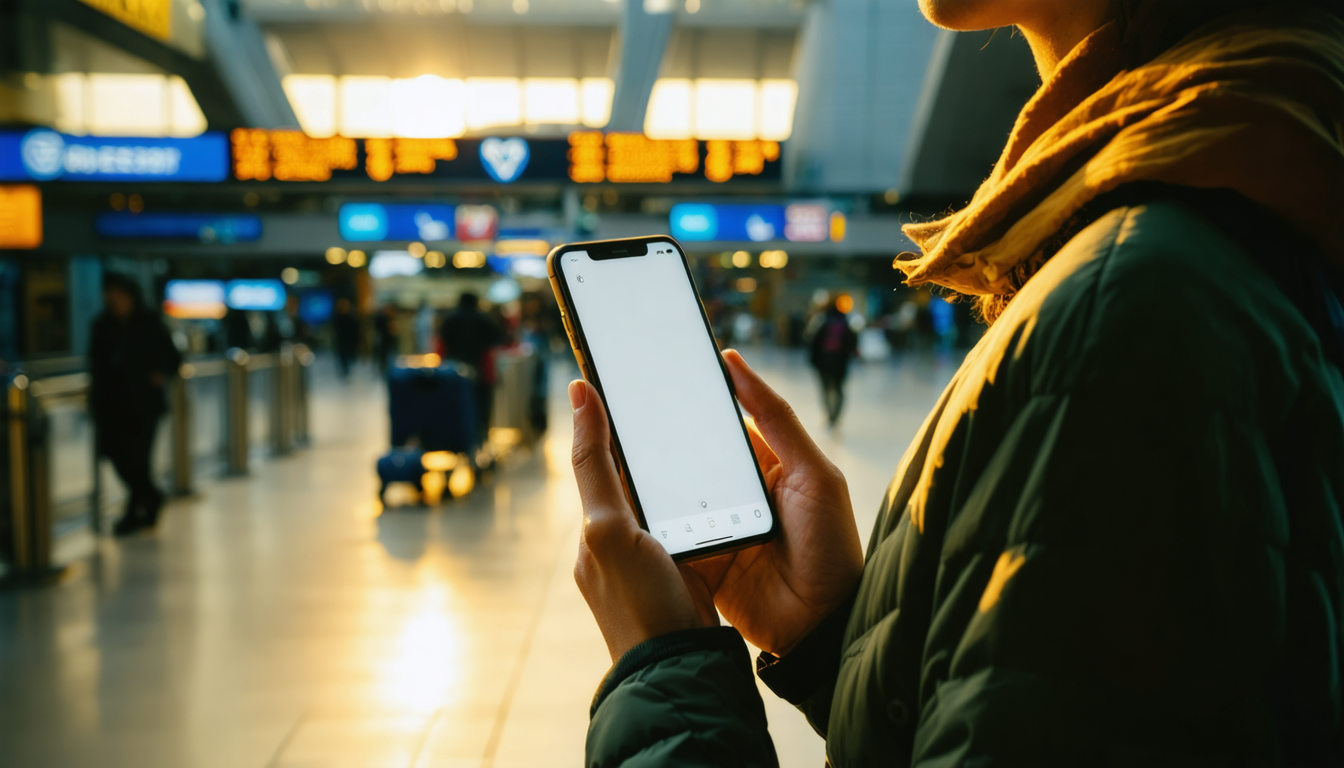
Malaysia's three major carriers—Maxis, Celcom, and U Mobile—deliver solid 4G/5G coverage across cities and most tourist destinations. With visitor numbers now topping 10.6 million annually, the country's telecom infrastructure is well-tuned for travelers. But roaming charges from your home carrier can quickly drain your budget, and buying a local SIM involves trade-offs worth understanding before you land.
How Much Roaming Really Costs
International roaming day passes typically run $8–15 per day for limited data (500MB–1GB). A week's trip easily costs $60–100 just for connectivity—before you've bought a meal. Local prepaid data is far cheaper: Malaysian carriers offer plans starting around RM15–30 ($3–6 USD) for 5–10GB, valid 7–30 days. The mismatch is stark, and it's why most travelers ditch roaming the moment they land.
Tourist SIMs at the Airport & Beyond
All three major carriers operate counters at Kuala Lumpur International Airport (KLIA), Penang, and Johor Bahru airports. You'll need your passport to register (Malaysian telecom rules require ID). Maxis and Celcom offer dedicated tourist packages; U Mobile recently launched a Tourist SIM with 100GB plus shopping vouchers for RM15. These are genuine bargains if you want instant activation and don't mind a second physical card in your phone.
The downside: your regular SIM must come out, so WhatsApp, iMessage, and SMS on your home number go offline. If staying in touch with family or work contacts via your own number matters, a physical tourist SIM becomes less convenient.
Coverage & Data in Tourist Areas
Kuala Lumpur, Penang (Georgetown, Batu Ferringhi), and Johor Bahru have excellent 4G coverage. U Mobile's recent Opensignal report ranked it first for speed metrics among Malaysian operators. Smaller towns and rural areas (Cameron Highlands, parts of Sabah/Sarawak) may have patchier coverage—typically Maxis and Celcom are more reliable outside cities. Most travelers use 2–5GB per week for navigation, messaging, and casual browsing; heavy streamers should budget 10GB+.
Why an eSIM Solves the Roaming Puzzle
An eSIM lets you activate a prepaid Malaysian data plan without removing your physical SIM. Your home number stays active for calls and SMS, so you don't miss important messages or lose two-factor authentication codes. Doft eSIM delivers the QR code by email within seconds of payment—no airport counter queue, no registration delay. Plans come in a range of data sizes and cover Malaysia's major networks, with 24/7 support if you hit any issues.
If you're traveling solo or on a tight schedule, an eSIM eliminates the friction of swapping SIMs and keeps your primary contact line open. For a week in Malaysia, a 10GB plan costs less than two days of roaming, and you'll have better coverage reliability than relying on international roaming.
The Bottom Line
Malaysia's mobile networks are modern and competitive. Whether you choose a tourist SIM, local prepaid plan, or an eSIM depends on how much you value keeping your home number active. For most travelers, the answer is clear: skip roaming, grab a local data plan, and stay connected affordably.
Source: news.google.com
Traveling soon?
Get your eSIM in minutes and land connected — plans from $2.99.