Staying Connected in Malaysia: Tourist SIM, Data & Coverage Guide
Malaysia welcomes over 21 million international visitors yearly. Here's what you need to know about local mobile networks, tourist SIMs, and staying online across Peninsular Malaysia, Sabah, and Sarawak.
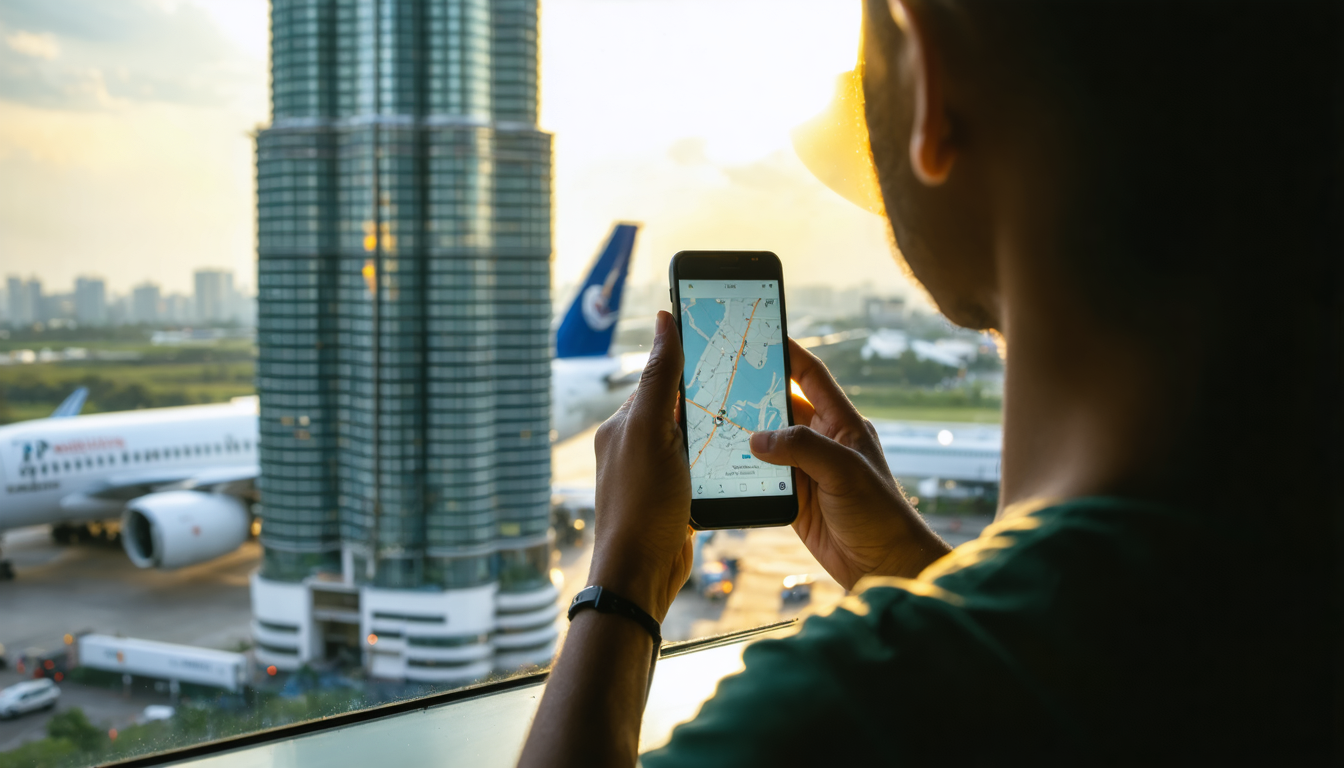
Malaysia's three major carriers—Maxis, Celcom, and U Mobile—offer excellent 4G/5G coverage in cities and along main highways, but connectivity drops in rural areas and deep rainforest regions. With over 21 million international arrivals in the first half of 2026 alone, Malaysia's mobile infrastructure is well-equipped for tourism, though knowing your options before arrival saves time and money.
Local Carriers & Tourist SIM Options
You can buy a prepaid SIM at Kuala Lumpur International Airport, Penang, or Johor Bahru airports from carrier counters or convenience stores. Maxis, Celcom, and U Mobile all sell tourist packages with data bundles. Tourist SIMs typically require your passport for registration—a standard practice across Southeast Asia. Setup takes 10–15 minutes, and you'll receive a Malaysian phone number immediately. Rates are reasonable: local carriers offer 1–10 GB plans at competitive prices, though daily roaming add-ons (if you need to top up mid-trip) can drift higher than prepaid bundles.
Coverage in Tourist Areas
Kuala Lumpur, George Town (Penang), Melaka, and Kota Kinabalu have strong 4G coverage from all three carriers. Maxis and Celcom dominate Peninsular Malaysia; U Mobile's ULTRA5G network is expanding rapidly. In Sabah and Sarawak, coverage is reliable in towns but thins out quickly in national parks (Kinabalu, Bako, Gunung Mulu). If you're trekking, download offline maps beforehand. Coastal and island areas (Langkawi, Perhentian, Tioman) have decent coverage near resorts but may drop on the water or in dense jungle.
How Much Data Do You Need?
A typical week-long Malaysia trip uses 2–4 GB if you're streaming video or using navigation constantly. Most travelers find 3–5 GB sufficient for maps, messaging, social media, and light browsing. If you're staying in one city (KL, Penang) and mainly using WiFi at hotels and cafes, 1–2 GB covers emergencies and mobile-only moments. Tourist areas and shopping malls have free WiFi, though speeds vary.
Roaming Costs vs. Local Data
Using your home carrier's roaming in Malaysia typically costs 5–15× more than buying local data. A single day pass from most international carriers runs high; a week of casual roaming can exceed the cost of a full local prepaid plan. Local prepaid is almost always the smarter choice. Your regular SIM stays in your phone, so WhatsApp, iMessage, and SMS on your own number continue working—you're just adding a second connection for data and local calls.
The Doft eSIM Option
If you prefer not to swap physical SIMs or visit airport counters, a travel eSIM delivers a Malaysian data plan instantly by QR code—no registration queue, no waiting for a new number. Your own SIM stays active for messaging and calls. See current plans and prices for Malaysia at doft.com/esim, and activate before you land so you're online the moment you clear customs. Doft's 24/7 support is handy if you need to adjust your plan mid-trip.
Malaysia's mobile networks are reliable and tourist-friendly. A local prepaid SIM or eSIM costs far less than roaming and gives you the flexibility to stay connected across Peninsular Malaysia and East Malaysia without surprise bills.
Source: news.google.com
Traveling soon?
Get your eSIM in minutes and land connected — plans from $2.99.