Staying Connected in Malaysia: Tourist SIM vs. eSIM Guide
Malaysia welcomes over 10 million visitors yearly. Here's what you need to know about mobile data, local networks, and the simplest way to stay online across Kuala Lumpur, Penang, and beyond.
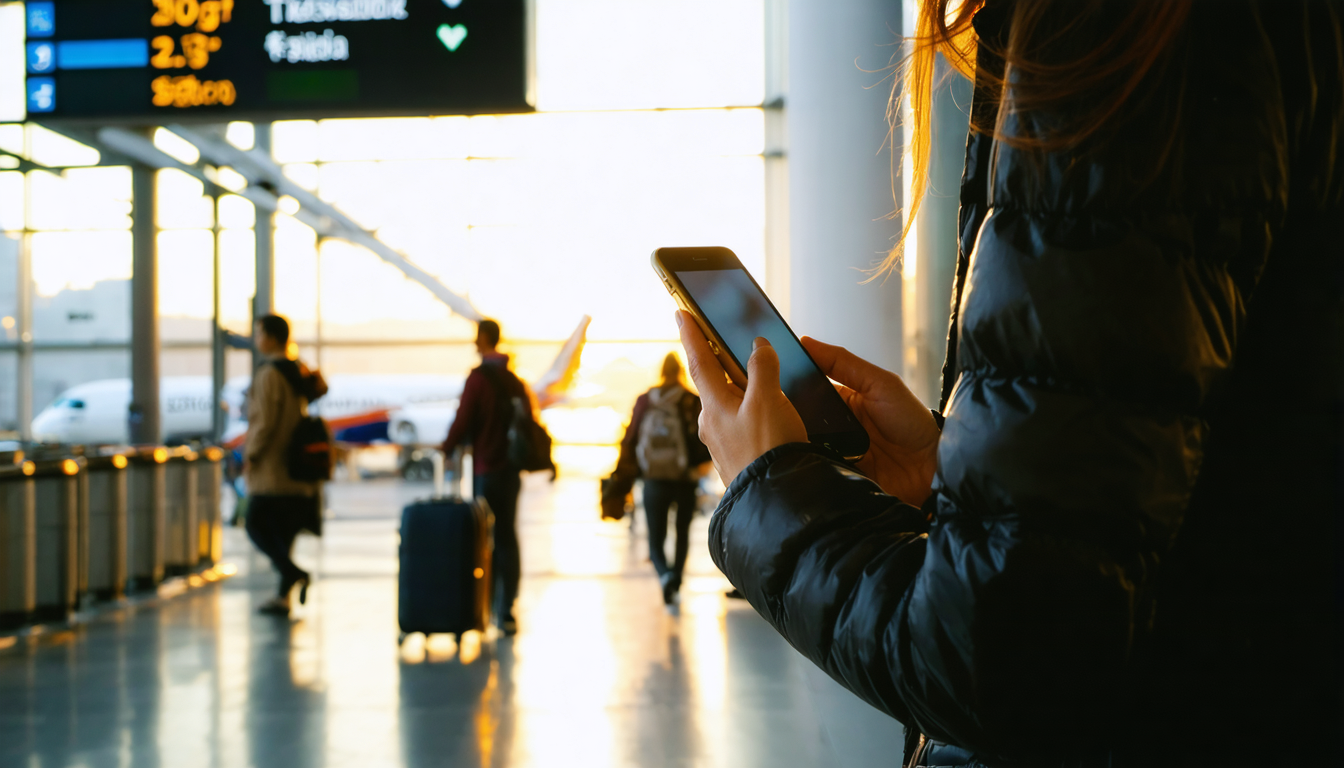
Malaysia is one of Southeast Asia's most visited destinations, with reliable 4G/5G coverage in cities and major tourist areas. But arriving without a data plan leaves you navigating Grab, Google Maps, and hotel bookings on airport WiFi alone. Understanding your connectivity options—and their real costs—makes a huge difference.
Local Networks and Coverage
Malaysia's three main carriers are Maxis, Celcom, and U Mobile, all offering strong coverage in Kuala Lumpur, Penang, Langkawi, and other tourist hubs. Maxis and Celcom typically lead in reliability; U Mobile has recently expanded 5G reach and now offers competitive prepaid plans (including through their Vibe Mobile brand from RM17/month). Coverage is generally excellent in cities and along major highways, though rural areas and jungle treks may have spotty signal. Tourist areas like the Petronas Towers, Sunway Lagoon, and Georgetown waterfront have reliable connectivity.
Tourist SIM Cards at the Airport
All three carriers operate counters at Kuala Lumpur International Airport (KLIA), Penang, and Langkawi airports. Tourist SIM packages typically cost RM30–60 for 5–10GB of data valid 7–30 days. Registration requires your passport. The process takes 10–15 minutes, and you'll swap your physical SIM immediately. The upside: a local number and straightforward pricing. The downside: your home SIM is out of service, so WhatsApp, SMS, and calls to your regular number won't come through—important if you're coordinating with family or work back home. You'll also need to reconfigure your phone settings and reinstall apps.
International Roaming Costs
If you keep your home SIM, expect roaming day-passes from USD 8–15 for limited data, or overage charges of USD 5–10 per GB. Over a week-long trip, this quickly exceeds the cost of a local SIM. Many travelers end up disabling data and relying on hotel or café WiFi, which works but fragments your connectivity and leaves you unreachable for urgent messages.
How Much Data You'll Need
For a typical week in Malaysia: maps and navigation use 0.5–1GB, messaging apps (WhatsApp, Telegram) 0.2–0.5GB, social media and browsing 1–2GB, and streaming (if any) 2–5GB. Budget 5–8GB for comfortable, guilt-free use. If you're mostly using WiFi at your hotel or café, 3–5GB is enough for maps and quick messages.
A Simpler Alternative: Travel eSIM
A travel eSIM lets you add a second data plan to your phone without removing your physical SIM. Your regular number stays active for WhatsApp, SMS, and calls—so friends and family can reach you instantly—while you use the eSIM for local data at prepaid local prices. Doft eSIM delivers a QR code by email within seconds of payment, activated in minutes with no airport counter visits or paperwork. Plans start with smaller sizes for lighter usage, with options up to 15GB for longer trips. You keep full control: switch between your home number and local data seamlessly, and your phone number stays yours throughout your trip.
Whether you choose a local SIM, roaming, or eSIM depends on your needs—but for most travelers, staying reachable on your own number while avoiding roaming shock is the real win. Malaysia's networks are modern and fast; the choice is just how you connect to them.
Source: news.google.com
Traveling soon?
Get your eSIM in minutes and land connected — plans from $2.99.