Staying Connected in Malaysia: Tourist SIMs, Local Networks & Data Plans
Malaysia welcomes over 10 million visitors annually. Here's how to get reliable mobile data across Kuala Lumpur, Penang, and beyond—without surprise roaming bills.
Malaysia is one of Southeast Asia's most visited destinations, with modern infrastructure and excellent mobile coverage in cities and tourist hotspots. But arriving without a data plan can mean expensive roaming charges or a frantic airport SIM hunt. Understanding your options—and the local networks—makes staying connected straightforward.
Malaysia's Mobile Networks: Coverage & Speed
Three major carriers dominate: Maxis, Celcom, and U Mobile, with Digi as a fourth option. Recent network reports show U Mobile leading in 5G quality and speed across Malaysia, while all three majors offer strong 4G coverage in Kuala Lumpur, Penang, Johor Bahru, and Langkawi. In rural areas and smaller islands, coverage can be patchier, but tourist routes are reliably served. Voice apps follow local telecom rules, so check your home carrier's guidance before relying on VoIP for critical calls.
Tourist SIM Cards: Convenience vs. Cost
Airport SIM counters at KLIA and other major hubs offer instant activation—no registration required for short stays. Tourist packages typically run RM 30–60 ($6–13 USD) for 5–10 GB over 7–30 days. The catch: roaming day-passes from your home carrier often cost $8–15 per day for limited data, making a local SIM genuinely cheaper if you'll use data regularly. Tourist SIMs also keep your phone number active on your home network (via dual SIM or eSIM), so WhatsApp, SMS, and calls to family still arrive on your regular line.
Data Needs for a Malaysia Trip
For a typical two-week visit:
- Maps, messaging, social media: 1–2 GB
- Video streaming, video calls: 3–5 GB
- Light use (messaging, email, occasional browsing): 500 MB–1 GB
Kuala Lumpur and Penang have excellent WiFi in hotels, malls, and cafés, so you can offset data use. If you're island-hopping or hiking in Taman Negara, grab a plan with at least 3–5 GB; remote areas may have 3G fallback.
Getting a Tourist SIM: Step-by-Step
At the airport: Visit a Maxis, Celcom, or U Mobile counter (all three have booths at KLIA). Bring your passport. Activation is instant; you'll receive a SIM and PIN within minutes. Reload cards (top-ups) are widely sold at 7-Eleven, convenience stores, and supermarkets.
Passport registration: Malaysia requires tourist SIM users to register their passport details within 24 hours—usually the shop does this automatically, but confirm. No registration means potential service suspension.
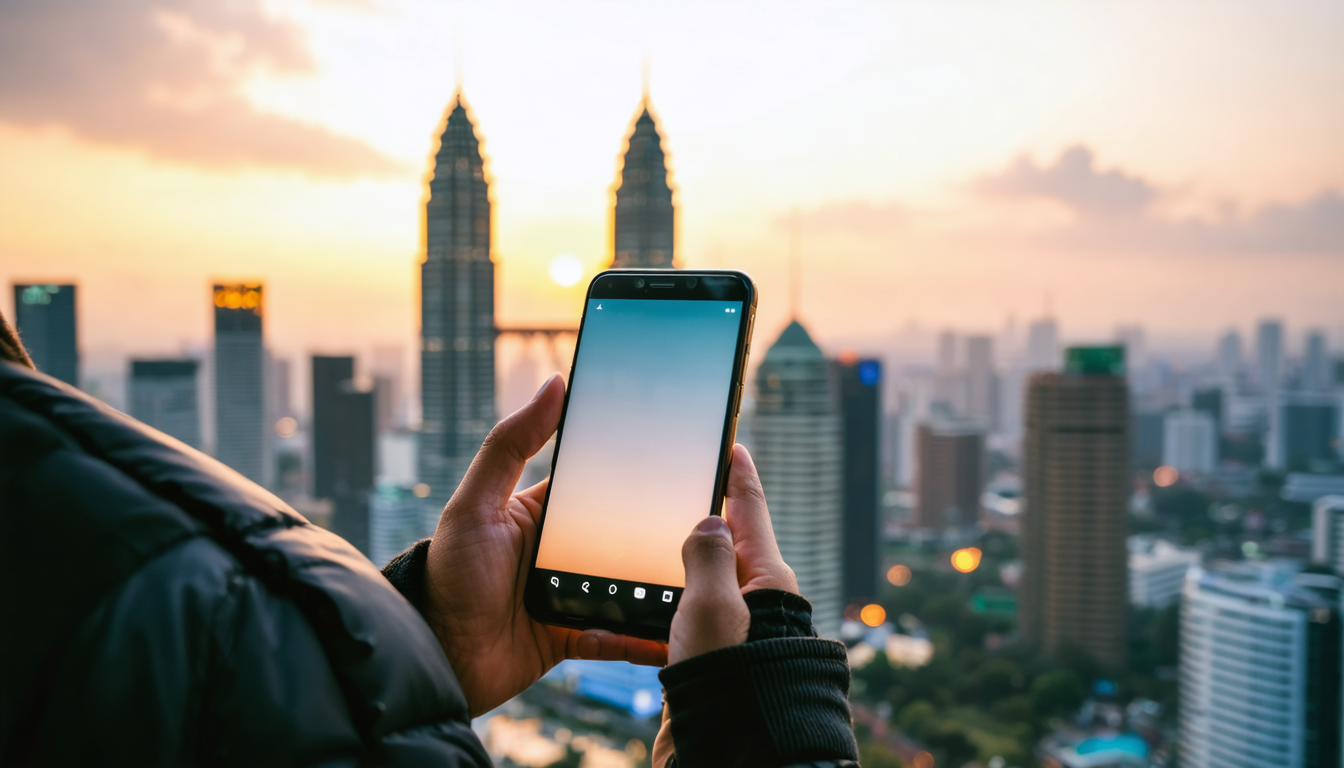
Coverage in tourist areas: Petronas Twin Towers, Batu Caves, Cameron Highlands, Melaka Old Town, and island resorts all have solid 4G. Trekking trails may drop to 3G or lose signal; download offline maps beforehand.
A Simpler Alternative
If you'd rather skip the airport queue, a travel eSIM offers the same local-price data without swapping cards. Doft eSIM delivers a QR code by email within seconds of payment, and you can activate it before you land. Plans start at 1 GB, with no hidden roaming fees—just prepaid local-price data. Your regular SIM stays active, so your WhatsApp and SMS keep working on your own number. If you hit a coverage issue, Doft's 24/7 support is available to troubleshoot.
Whether you choose an airport SIM or an eSIM, Malaysia's excellent networks mean you'll stay reliably connected from your first day exploring Kuala Lumpur to your last sunset in Langkawi.
Source: news.google.com
Traveling soon?
Get your eSIM in minutes and land connected — plans from $2.99.