Staying Connected in Malaysia: Tourist SIMs vs. eSIMs Explained
Malaysia welcomes over 10 million visitors yearly. Here's how to pick the right mobile plan—and why an eSIM might save you time and money at the airport.
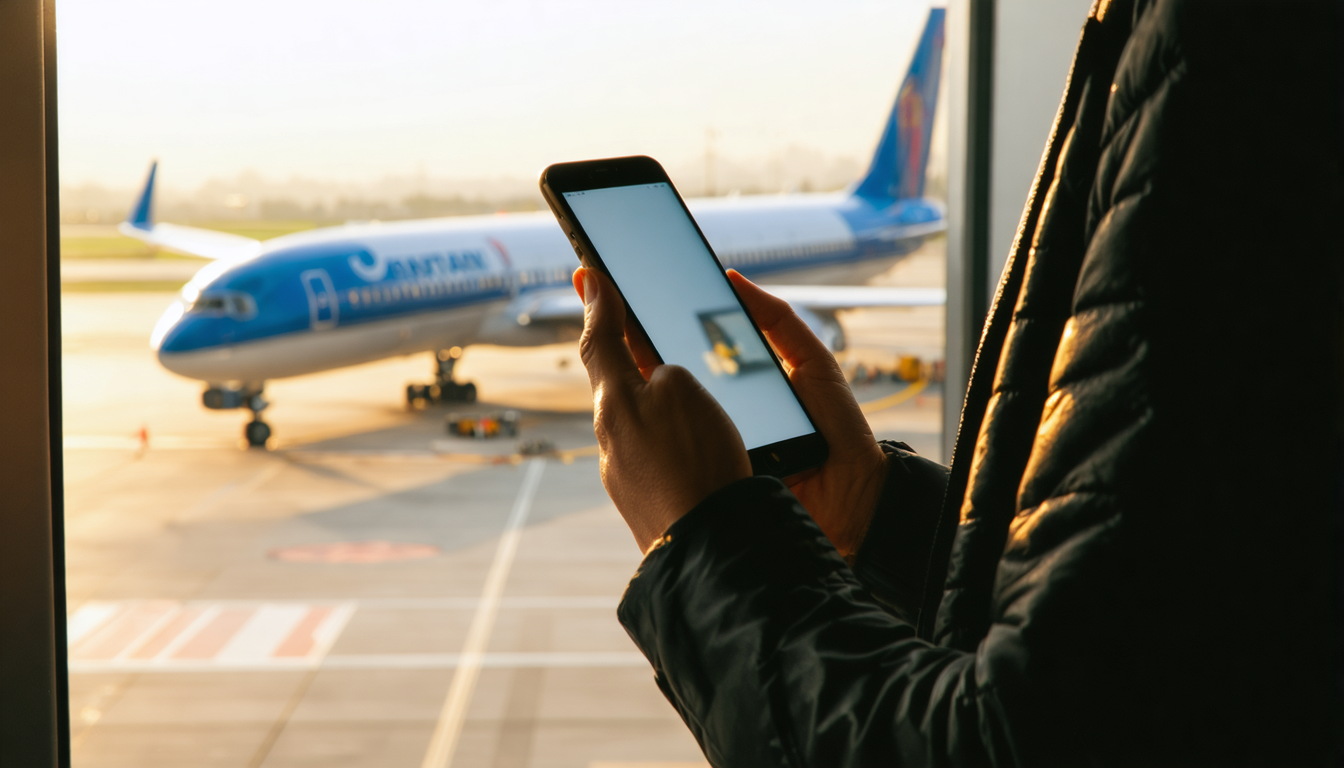
Malaysia is Southeast Asia's gateway: Kuala Lumpur's gleaming towers, Penang's heritage streets, and Borneo's rainforests draw millions of travelers each year. Staying connected is simple here—the country has three major carriers (Maxis, Celcom, and U Mobile) with solid 4G/5G coverage in cities and tourist zones. But choosing between a airport SIM counter, a local prepaid plan, and a travel eSIM involves real trade-offs worth understanding.
Airport SIM Counters: Convenient but Pricey
All three major Malaysian terminals (KL International, Penang, Kota Kinabalu) have carrier counters in the arrivals hall. You'll walk out with a local SIM in 5–10 minutes, no registration required for short-term tourist plans. The catch: airport pricing is typically 20–30% higher than city shops. A 7-day tourist plan from Maxis or Celcom usually runs RM50–80 (USD 10–17) with 3–5 GB, compared to RM35–50 in town. If you arrive late or need immediate connectivity, it's worth it; otherwise, skip it.
Local Prepaid Plans: Best Value, Small Friction
Malaysia's three carriers all offer prepaid tourist packages. Maxis and Celcom dominate in cities; U Mobile recently expanded aggressively with budget 5G plans starting RM17/month. Tourist SIMs (sold at 7-Eleven, convenience stores, and carrier shops) cost RM20–40 for 3–7 days with 2–5 GB, and coverage is reliable in Kuala Lumpur, Penang, Johor Bahru, and resort areas. The trade-off: you need to find a shop, activate the SIM physically, and your original number goes silent while the local SIM is active. WhatsApp and SMS from your home number won't reach you until you switch back.
eSIM: Instant, No SIM Slot Needed
If your phone supports eSIM (most iPhones since XS, most newer Android flagships), a travel eSIM keeps your home SIM active so your regular number stays reachable via WhatsApp and SMS. You buy the plan online, receive a QR code by email, scan it, and you're live—often within seconds. Malaysia has strong eSIM adoption among carriers, and plans start around USD 3.99 for 1 GB. Coverage is identical to a physical SIM because eSIMs use the same local networks. The main limitation: your phone must support eSIM, and dual eSIM phones are still less common than dual physical SIM phones in some markets.
Coverage & Data Needs for Tourists
Malaysia's 4G is widespread in Kuala Lumpur, Penang, Malacca, and coastal resorts. Rainforest treks and remote islands may have spotty coverage. Most tourists use 2–3 GB over a week (maps, messaging, light video). If you're hiking Kinabalu or island-hopping, download offline maps beforehand. Carrier apps (Maxis, Celcom, U Mobile) let you check balance and buy top-ups on the fly.
Which Option for You?
Choose an airport SIM if you arrive late and need immediate, hassle-free connectivity. Pick a local prepaid plan if you want the best price and don't mind a quick shop stop. Consider an eSIM if you want to keep your home number active, have a compatible phone, and value speed—no queues, no lost SIM cards, QR code ready within seconds of purchase.
For travelers who value simplicity and want to skip the airport counter entirely, Doft eSIM offers prepaid plans with instant QR delivery by email. Your regular SIM stays active, so WhatsApp and SMS work on your own number throughout your trip. 24/7 support is included if you need help. Browse Doft's Malaysia plans and pick one that fits your itinerary—no rush, no roaming surprises.
Source: news.google.com
Traveling soon?
Get your eSIM in minutes and land connected — plans from $2.99.