Staying Connected in Malaysia: Your Guide to Mobile Data for Visitors
Malaysia welcomes over 21 million international tourists annually. Here's what you need to know about local networks, tourist SIMs, and keeping your phone connected across Peninsular Malaysia, Sabah, and Sarawak.
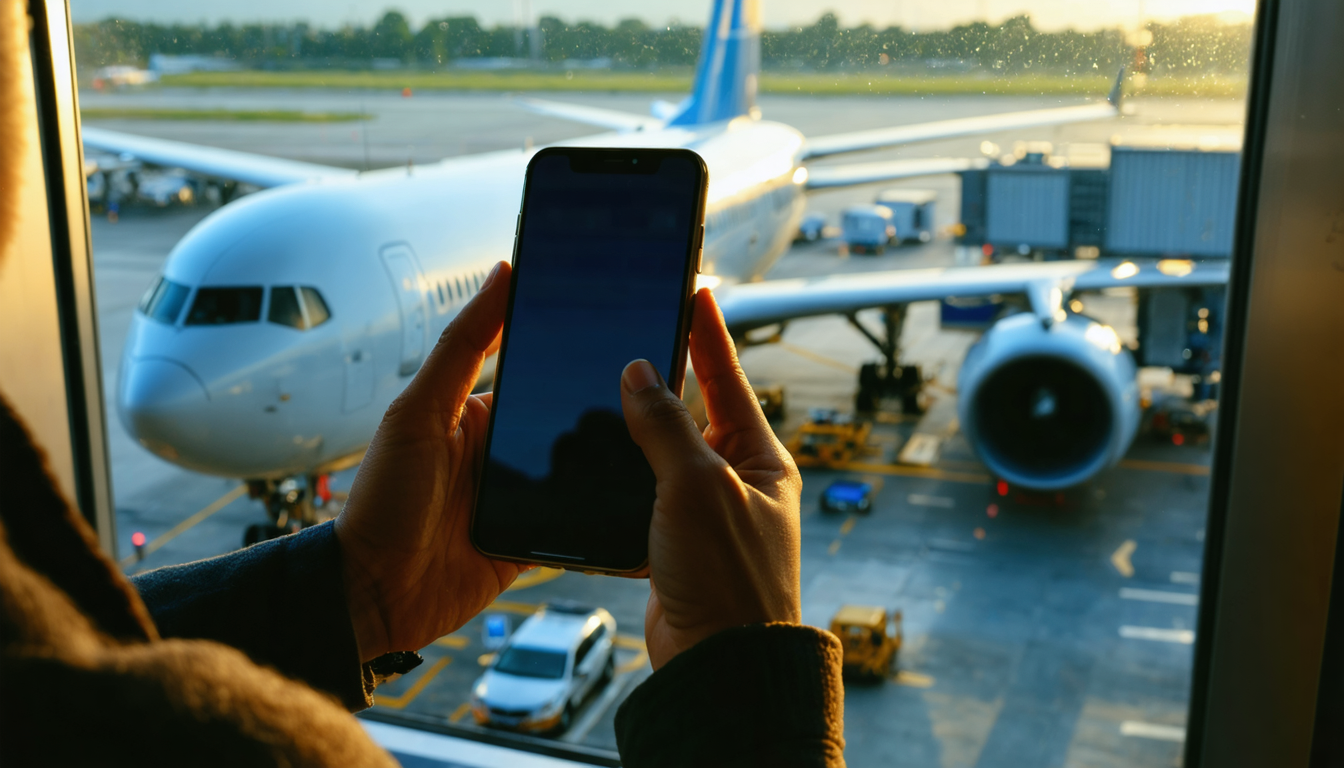
Malaysia's three major carriers—Maxis, Celcom, and U Mobile—offer excellent 4G and 5G coverage in cities and tourist hotspots, though coverage thins in remote jungle and rural areas. With tourism rebounding strongly in 2026, the infrastructure is well-geared toward visitors, but choosing the right connectivity option before you land makes a real difference to your trip.
Airport SIMs and Tourist Plans
All three main airports—Kuala Lumpur International, Penang, and Kota Kinabalu—have carrier counters where you can buy a physical tourist SIM on arrival. Plans typically start around RM17–30 for a few gigabytes over 7–30 days, and staff will register your passport on the spot (Malaysia requires SIM registration by law). The process takes 10–15 minutes. However, if you're arriving tired or during a busy period, airport queues can eat into your first hours.
Coverage in Tourist Areas
KL's Petronas Towers, Georgetown's heritage streets, Penang Island, and the Perhentian Islands all have solid coverage from all carriers. Kuching and Kota Kinabalu in East Malaysia are well-served too. If you're trekking into Taman Negara or diving off Sipadan, coverage becomes spotty—download offline maps and confirm with your accommodation beforehand. Data usage in Malaysia has grown 35% year-on-year, so networks are actively expanding, but remote jungle regions remain unpredictable.
How Much Data You'll Actually Need
For a typical two-week Malaysia trip mixing cities, beaches, and day trips, 5–8 GB is comfortable if you're using maps, messaging apps, and occasional video. If you're working remotely or streaming, aim for 10+ GB. Local SIM plans are genuinely cheap—you're paying local rates, not international roaming—so data overage is rarely a financial shock. Your WhatsApp, Telegram, and SMS will work on your own number if you keep your home SIM in a dual-SIM phone or use eSIM.
The Roaming Trap
If you simply use your home carrier's roaming, expect to pay 5–15× the local rate per gigabyte. A day pass from most Western carriers costs as much as a week of local data in Malaysia. Roaming is convenient if you're only passing through for 24 hours, but for anything longer, a local option pays for itself immediately.
Simplifying It All
Buying a physical SIM at the airport works fine, but it means arriving to a queue, managing a second card, and remembering to keep it safe. If you'd rather skip the counter and activate data before you land—or while you're still at the gate—a travel eSIM delivers a QR code by email seconds after payment. You stay on your own number for WhatsApp and SMS, activate the eSIM in settings, and you're online. See current plans and prices for Malaysia at doft.com/esim. Either way, you'll be connected affordably across this welcoming, well-networked country.
Source: news.google.com
Traveling soon?
Get your eSIM in minutes and land connected — plans from $2.99.