Staying Connected in Malaysia: Your Guide to Tourist Mobile Plans
Malaysia welcomes over 10 million visitors annually. Here's how to get reliable data in Kuala Lumpur, Penang, and beyond without surprise roaming charges.
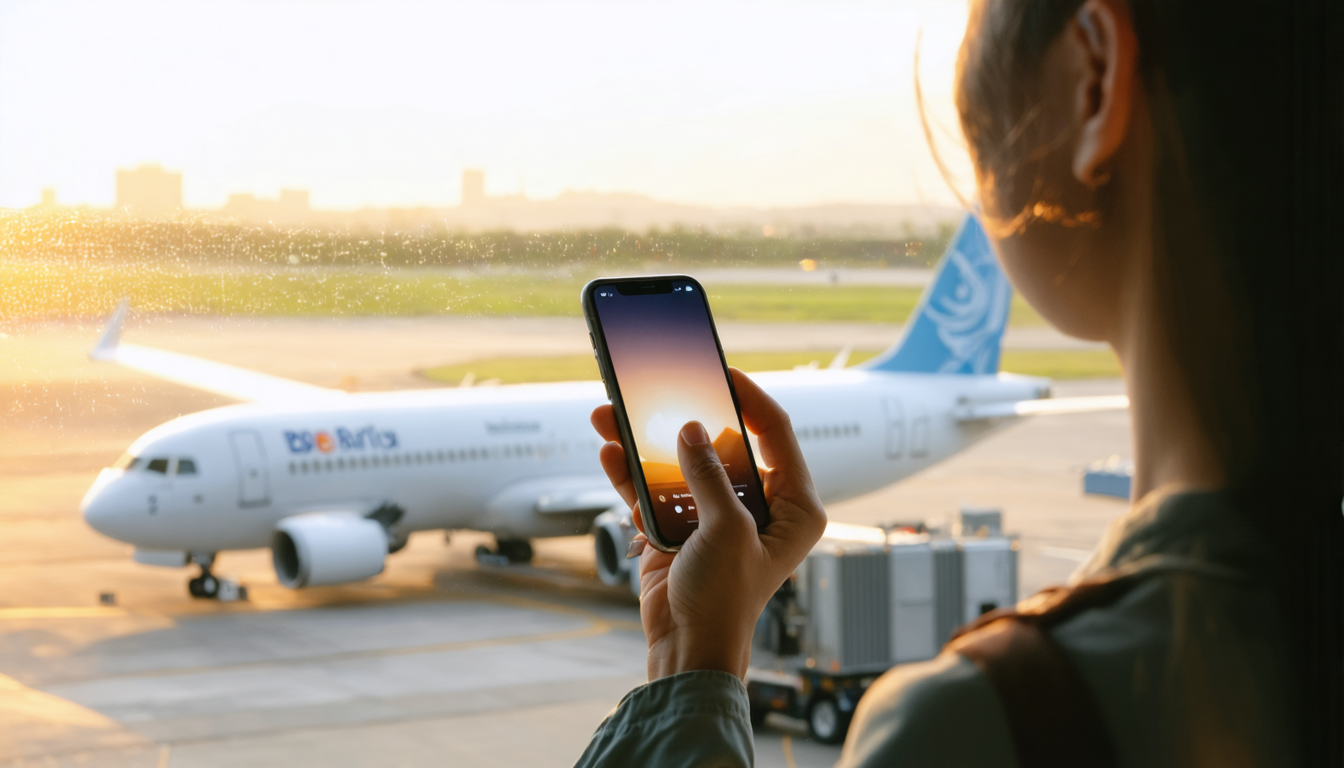
Malaysia is one of Southeast Asia's most visited destinations, with excellent 4G and 5G coverage across major cities and tourist hotspots. Whether you're exploring the Petronas Towers, island-hopping in Penang, or trekking in Sabah, staying connected is straightforward—but knowing your options saves money and frustration.
Local Networks and Coverage
Malaysia's three main carriers—Maxis, Celcom, and Digi—all offer reliable coverage in tourist areas. 5G is increasingly available in Kuala Lumpur, George Town, and Johor Bahru. Rural areas and national parks (like those in Sarawak) may drop to 3G or 4G, but connectivity is generally solid across the peninsula and populated islands. Signal is strongest in cities; plan for spotty coverage if you're deep in rainforest or on remote islands.
Tourist SIM Cards at the Airport
All three major carriers operate SIM counters at Kuala Lumpur International Airport (KLIA), Penang, and Kota Kinabalu. You'll need your passport. Tourist SIMs typically cost RM25–RM50 for 3–10 GB of data valid 7–30 days. Activation is instant. The catch: you'll lose access to your home number for calls and SMS, and rates aren't always transparent—some plans charge per-MB overage fees if you exceed your limit.
What Roaming Actually Costs
If you use your home SIM, international roaming in Malaysia is expensive. Most carriers charge $8–$15 per day for a roaming pass, or $3–$8 per GB on pay-as-you-go. A week of casual browsing (maps, messaging, social media) easily costs $50–$100. Streaming video or downloading files abroad will spike your bill fast. Local calls and SMS via your home number also incur per-minute or per-message fees.
Data You'll Actually Need
For a typical week in Malaysia, 5–8 GB is comfortable if you use Google Maps, WhatsApp, Instagram, and occasional video calls. Budget less if you stay on WiFi at hotels and cafés (widely available in tourist areas); budget more if you're streaming or working remotely. Kuala Lumpur, Penang, and Johor Bahru have excellent free WiFi in malls, airports, and restaurants.
The Practical Middle Ground
A prepaid travel eSIM sidesteps the airport queue, passport hassle, and SIM-swap friction entirely. Your regular SIM stays active, so WhatsApp, iMessage, and SMS on your own number work seamlessly. You choose your data plan before you land—no surprises. Plans start with small sizes for light usage, with instant delivery by QR code via email seconds after payment. If you hit a connectivity snag, 24/7 support is available. It's especially handy if you're visiting multiple Southeast Asian countries in one trip, since many eSIM plans cover 190+ destinations at local prices.
Malaysia's mobile infrastructure is modern and tourist-friendly. Whether you grab a local SIM at the airport or activate an eSIM before you leave home, you'll stay connected without the roaming shock. Pick whichever fits your trip style—and enjoy exploring one of the region's most welcoming destinations.
Source: news.google.com
Traveling soon?
Get your eSIM in minutes and land connected — plans from $2.99.