Staying Connected in Oman: Mobile Networks & Tourist eSIM Guide
Oman's three main carriers offer decent coverage across tourist hotspots, but roaming costs add up fast. Here's what you need to know about local SIMs, data plans, and staying online across Muscat, Salalah, and the mountains.

Oman is welcoming record numbers of visitors this year, drawn to everything from the Muscat corniche to Al Jabal Al Akhdar's mountain trails and Salalah's lush monsoon season. But staying connected across this vast, beautiful sultanate requires a little planning—especially if you're trekking beyond city centers or relying on maps in remote wadi valleys.
The Big Three: Oman's Mobile Networks
Oman has three main carriers: Oman Telecom, Vodafone Oman, and Ooredoo. All three offer reasonable 4G/LTE coverage in Muscat, Salalah, and along major highways, though rural areas and mountain regions can be patchy. Oman Telecom (the state incumbent) and Ooredoo tend to have the broadest reach into smaller towns and tourist routes. Coverage maps on their websites are a useful starting point, but real-world signal in gorges or desert areas varies.
Tourist SIMs: Airport Counters & Costs
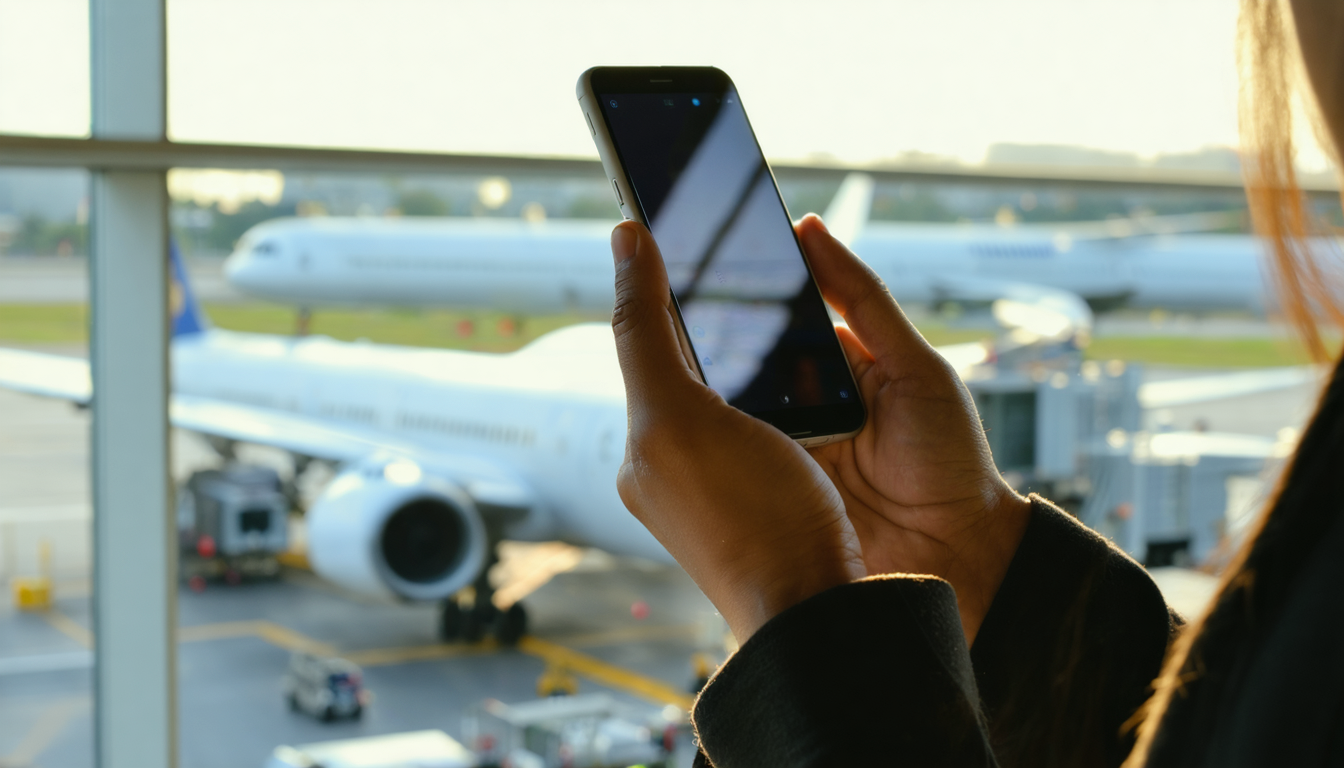
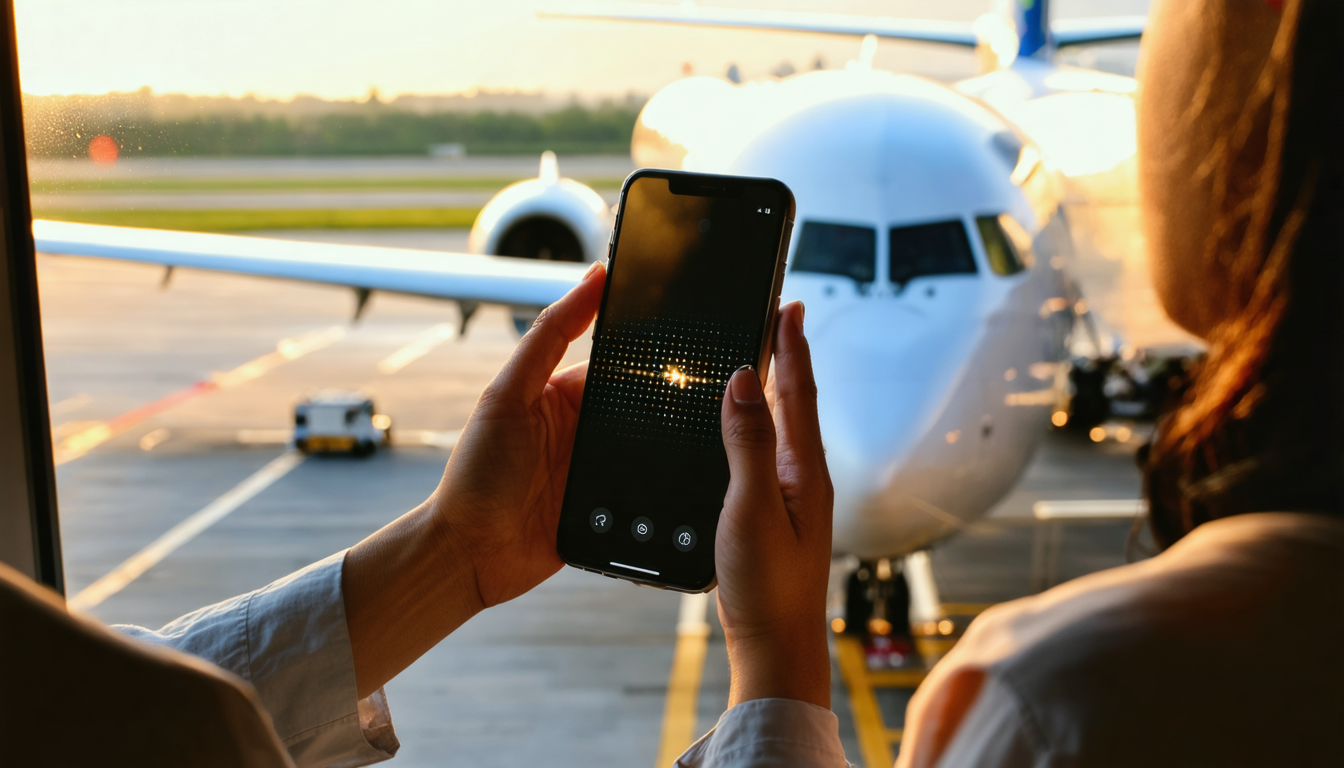
You can buy a prepaid tourist SIM at Muscat International Airport from any of the three carriers—counters are clearly marked in arrivals. Expect to pay around 3–5 OMR for a starter pack with a small data bundle. Vodafone Oman recently simplified its plan structure, which should make options clearer. Tourist plans typically start at 2–3 GB for a week, but daily data limits can be frustratingly low if you're streaming or using maps constantly. Topping up is easy (convenience stores, supermarkets, carrier shops in Muscat), but prices lean toward premium for short-stay visitors.
International roaming from your home carrier is an option, but day-pass rates are steep—often $8–15 USD per day for limited data, and overage charges can surprise you in a country where you'll want GPS and messaging throughout your stay.
Data Needs for a Typical Oman Trip
If you're using Google Maps to navigate Muscat's maze-like old medina or downloading offline maps for desert drives, budget generously. Streaming video or video calls will drain data fast in the heat. Most travelers find 4–6 GB enough for a week of moderate use (messaging, maps, light browsing, occasional photos). If you're hiking, using your phone as a hotspot for a travel companion, or staying connected for work, aim higher.
Coverage in Tourist Hotspots
Muscat city center and the airport have solid 4G. The Corniche, Grand Mosque surroundings, and Muttrah souk are well-covered. Salalah (popular in the khareef/monsoon season) has decent coverage in town, though the surrounding green mountains and wadis can be spotty. The Jebel Akhdar plateau—increasingly popular with hikers—has patchy signal; download offline maps before you go. Wadi Shab and other adventure destinations often have weak or no signal, so plan accordingly.
A Simpler Alternative
If managing a local SIM, top-ups, and coverage gaps sounds tedious, a travel eSIM eliminates the friction. You get a QR code by email within seconds of purchase, activate it before you leave, and keep your regular SIM in the phone so WhatsApp and SMS on your own number keep working. Plans come in a range of data sizes, so you can choose exactly the data you need without overpaying for a tourist bundle. Doft eSIM covers Oman across all three major networks, and 24/7 support means help is a message away if you hit a dead zone or need to adjust your plan mid-trip.
Oman's tourism boom means better infrastructure every year—but connectivity still rewards a little forethought. Whether you choose a local SIM or an eSIM, you'll stay online for the souks, the mountains, and everything in between.
Source: news.google.com
Traveling soon?
Get your eSIM in minutes and land connected — plans from $2.99.