Staying Connected Abroad: Mobile Data for Russian Travelers in 2026
Russian travelers heading abroad face steep roaming charges from home carriers. Here's how to stay connected affordably—and why a travel eSIM beats traditional roaming.
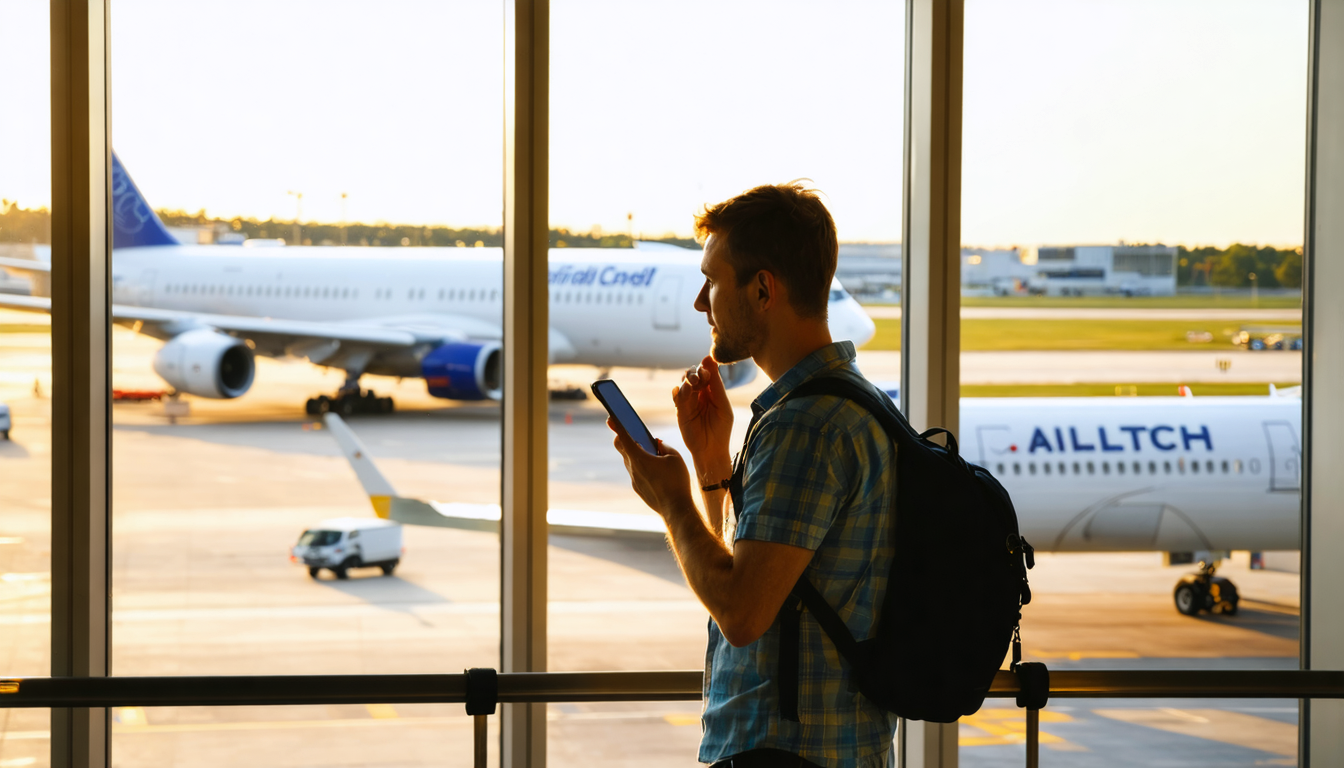
When you leave Russia, your phone doesn't automatically become cheaper to use. Major carriers like MTS, Beeline, and Rostelecom charge premium roaming rates in most countries—often €5–15 per day for a data pass, or €1–3 per MB on pay-as-you-go. Over a two-week trip, those bills add up fast. The good news: there are smarter ways to stay online without emptying your wallet.
How Russian Roaming Works (and Why It's Expensive)
When you use your Russian SIM abroad, your carrier charges you for every MB of data routed through their international partner networks. Day passes (typically 500 MB–1 GB) are convenient but designed for light browsing, not navigation or messaging. Pay-as-you-go data is even pricier. The markup reflects the cost carriers pay to partner with local networks overseas—a cost they pass directly to you.
Popular Destinations and Local Data Reality
Russian travelers head most often to Turkey, Greece, Spain, France, and Thailand. In each, buying a local prepaid SIM or eSIM at the airport or convenience store costs a fraction of roaming: a week of data in Turkey (Turkcell, Vodafone) runs $10–15; in Greece (Cosmote, Vodafone) around €8–12; in Thailand (AIS, TrueMove H) $5–10. Local networks are fast, reliable, and designed for tourists. The catch: you'll need a second SIM slot or a phone that supports eSIM, and your Russian number won't receive SMS or WhatsApp messages on that SIM.
Why Your Russian Number Matters
Many travelers want to keep their +7 number active for incoming calls, SMS, and messaging apps—especially if family or work contacts them while they're away. Swapping your physical SIM means losing that connection for the trip. This is where a travel eSIM solves the puzzle: your Russian SIM stays in the phone (or in a slot), receiving calls and messages normally, while the eSIM handles data on a local network at local prices.
The Travel eSIM Advantage
A travel eSIM is a digital SIM that installs via QR code—no physical card, no airport counter lines. You buy it before you leave or the moment you land, activate it instantly, and switch to a local network's data immediately. Plans typically start with light-use data sizes and scale up for longer trips or heavy data needs. Because you're buying prepaid local-price data (not roaming markup), a week abroad costs roughly the same as a few days of roaming from a Russian carrier. Your regular SIM stays active, so WhatsApp, Telegram, and SMS on your Russian number work the whole time.
Data Planning for Your Trip
Estimate conservatively: casual browsing and messaging use 200–500 MB daily; navigation and social media bump that to 1–2 GB. A two-week trip with moderate use typically needs 10–15 GB. Check what your destination's networks offer—most have plans in that range. If you're island-hopping or visiting remote areas, confirm coverage maps before you go.
Getting Started
Before departure, research whether your phone supports eSIM (most modern iPhones and Android flagships do). When you're ready to travel, a Doft eSIM plan for your destination arrives as a QR code by email seconds after purchase—no waiting, no registration hassles. You keep your Russian number active, stay connected on a fast local network, and skip the roaming shock. 24/7 support is there if you hit any snags.
Stay connected without the bill. That's smarter travel.
Source: news.google.com
Traveling soon?
Get your eSIM in minutes and land connected — plans from $2.99.