Stay Connected in Thailand: Mobile Data Plans for Travelers
Thailand's three major carriers offer tourist SIMs at airports and convenience stores, but roaming costs and coverage gaps in rural areas can catch visitors off guard. Here's what you need to know to stay online affordably across Bangkok, islands, and beyond.
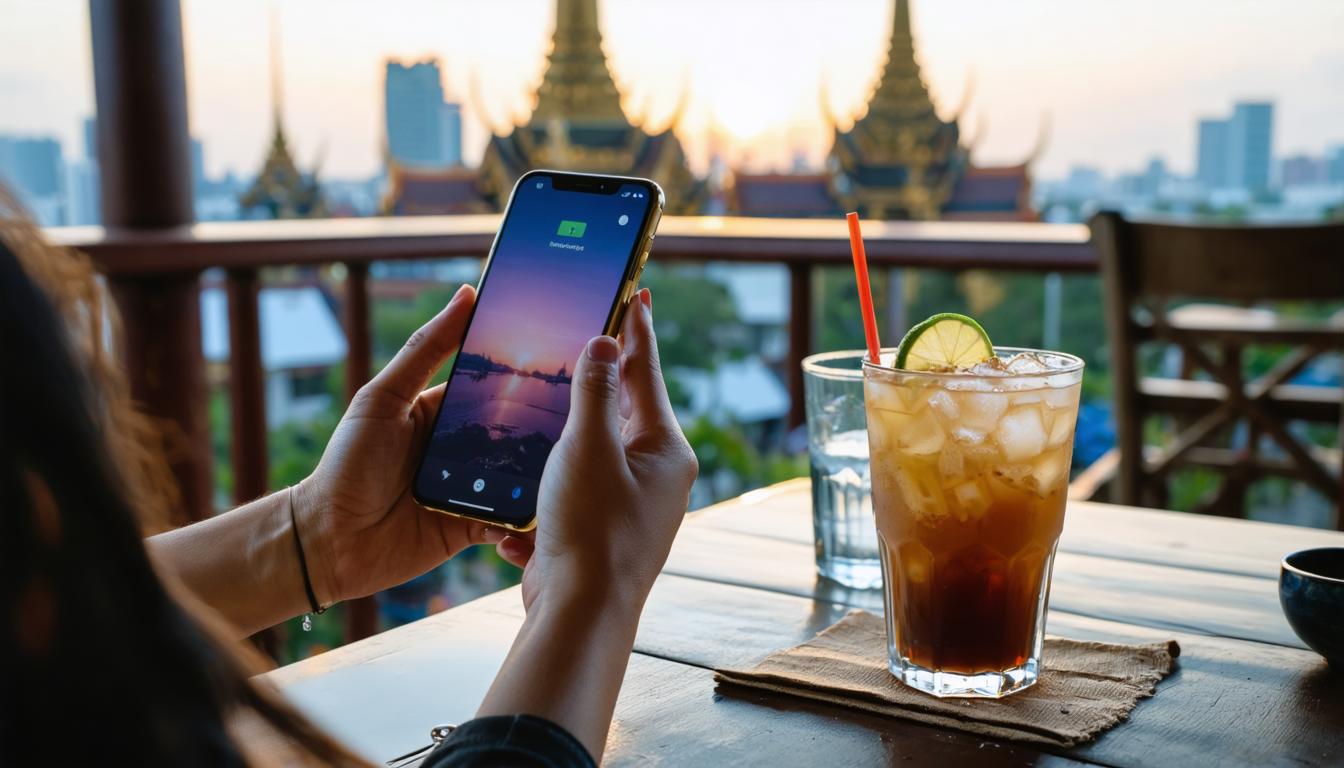
Thailand welcomes over 34 million international visitors annually, and staying connected is essential—whether you're navigating Bangkok's BTS, booking island tours, or checking in from northern temples. The good news: mobile data is cheap and widely available. The catch: roaming charges from your home carrier can spiral fast, and knowing which local network works best for your itinerary matters.
Thailand's Three Main Carriers
Thailand has three dominant networks: AIS (largest coverage), Dtac, and TrueMove H. All offer prepaid tourist SIM cards at Suvarnabhumi and Don Mueang airports (Bangkok), plus 7-Eleven and Family Mart stores nationwide. Tourist packages typically include data, calls, and SMS; a 7-day plan with 4–8 GB usually costs 200–400 THB ($5–11 USD). SIM activation is quick—you'll need your passport—and numbers are active within minutes.
Coverage: Cities vs. Remote Areas
In Bangkok, Phuket, Chiang Mai, and Krabi, all three carriers offer reliable 4G coverage. AIS has the broadest reach, including better signal in rural areas and national parks. If you're island-hopping or trekking in Isaan (northeastern Thailand), AIS generally performs better than competitors. However, some remote beaches and jungle areas may have spotty coverage; download offline maps before heading out.
Data Needs for a Typical Trip
Most travelers use 2–4 GB over a week: streaming maps, messaging, social media, and occasional video calls. If you're staying in one city and using WiFi at your hotel or café, 1–2 GB suffices. Longer trips or frequent video calls may need 6–8 GB. Tourist SIM packages scale affordably—buying a longer plan (14 or 30 days) is often cheaper per gigabyte than daily top-ups.
Roaming Reality Check
Using your home carrier's roaming in Thailand typically costs $8–15 per day for data, or 50¢–$2 per MB à la carte. A casual week of browsing and messaging could easily hit $50–100 in roaming fees. A local SIM eliminates that risk entirely; you pay local prices (roughly 1–3 THB per MB, or bundled plans as noted above) and avoid bill shock.
Your Own Number Stays Active
One advantage many travelers overlook: keeping your regular SIM in your phone means WhatsApp, SMS, and calls on your home number continue working via WiFi or data. You're not unreachable—just not paying roaming rates. This is especially useful if family or work contacts expect to reach you on your regular number.
The Practical Path Forward
Buying a local SIM at the airport is straightforward and costs little. For most travelers, it's the simplest move. That said, if you're only in Thailand 2–3 days, want zero friction, or are connecting multiple countries in one trip, a prepaid travel eSIM can be even faster—QR code delivered by email seconds after purchase, no counter queues, and your regular SIM stays in the phone. Plans come in a range of data sizes, coverage spans Thailand's major networks, and 24/7 support is available if you hit any snags.
Whichever route you choose, staying connected in Thailand is affordable and easy. The key is planning ahead so you can focus on temples, street food, and those perfect sunset moments.
Source: news.google.com
Traveling soon?
Get your eSIM in minutes and land connected — plans from $2.99.