Stay Connected in Turkey: Local Networks, Tourist SIMs & Roaming Costs
Turkey welcomes millions of visitors yearly—but European tourists often face surprise roaming bills. Here's how to stay connected affordably across Istanbul, the Aegean coast, and beyond.
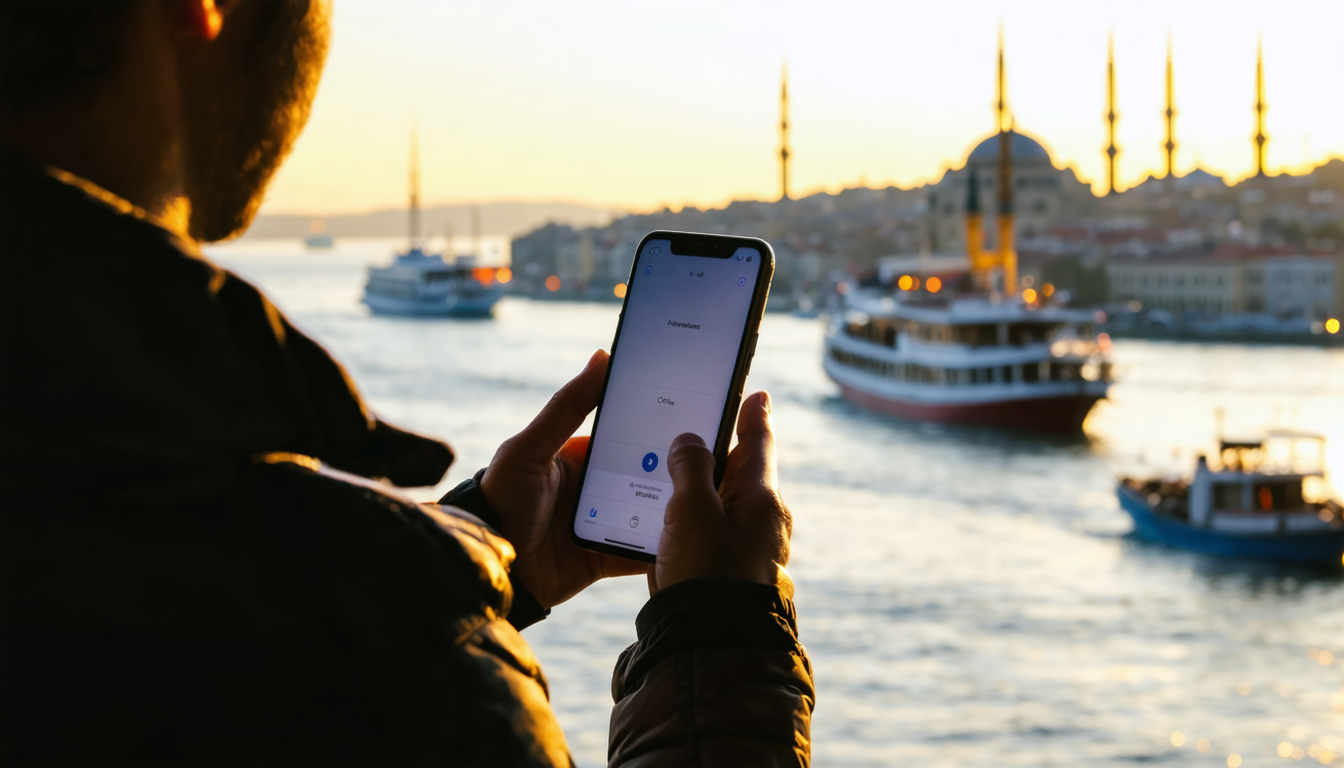
Turkey's tourism boom means reliable mobile coverage in major cities and coastal resorts, but connectivity choices matter. Whether you're exploring Istanbul's bazaars, island-hopping in the Aegean, or hiking Cappadocia's fairy chimneys, understanding your options—and the real cost of roaming—will keep you connected without unexpected charges.
The Roaming Reality for Visitors
European travelers arriving in Turkey often discover that standard roaming rates are steep. A day pass from most EU carriers runs €10–15, and data overage charges can climb quickly if you're navigating, sharing photos, or using maps in areas without WiFi. Even a week's casual roaming can cost €50–100—more than a flight to Istanbul itself. Turkish carriers (Turkcell, Vodafone Turkey, and Türk Telekom) offer strong coverage, but accessing it via your home network means paying international markup rates.
Local Tourist SIM Cards: The Traditional Route
Buying a local SIM at Istanbul Airport or downtown shops is straightforward. Turkcell, Vodafone, and Türk Telekom all have airport counters with English-speaking staff. You'll need your passport for registration (standard Turkish telecom rule). A prepaid tourist plan typically starts around ₺200–400 ($6–12 USD) and includes 5–10 GB of data valid for 7–30 days. The catch: you'll lose access to your home number for SMS and calls—WhatsApp works fine, but confirmation codes, banking alerts, and messages from family arrive nowhere. You also juggle two phones or swap SIMs mid-trip.
Coverage Across Tourist Regions
Turkcell and Vodafone dominate Turkey's network landscape with 4G/LTE coverage in Istanbul, Ankara, Izmir, Antalya, and along the Mediterranean coast. Even smaller towns and islands (Cappadocia, Bodrum, Dalyan) have reliable signal. Rural mountain areas may see slower speeds or 3G, but tourist trails and accommodations rarely lack connectivity. All three major carriers follow Turkey's telecom regulations; voice apps work normally within the country.
Data Needs for a Turkish Trip
Most travelers use 2–4 GB per week for navigation, messaging, social media, and occasional video streaming. If you're working remotely or uploading lots of photos daily, aim for 5–8 GB. Offline maps (download Istanbul and coastal regions beforehand) reduce data pressure. WiFi is common in hotels, cafés, and restaurants in tourist zones, so you can stretch a modest plan.
A Simpler Option: Travel eSIM
If keeping your own number and avoiding the SIM-swap hassle appeals to you, a travel eSIM offers a middle path. Doft eSIM delivers a QR code by email seconds after purchase—no airport counter, no passport swap, no losing your home number. Your regular SIM stays active for WhatsApp, SMS, and calls to family. Plans come in a range of data sizes and cover Turkey with local-price data (no roaming markup). Activate it before you land or once you arrive; 24/7 support is available if coverage questions arise. For a week or two in Turkey, it's often cheaper and far less friction than juggling two SIMs or paying roaming rates.
Whichever you choose, planning ahead beats scrambling at the airport. Turkey's connectivity is solid—just pick the option that fits your trip and budget.
Source: news.google.com
Traveling soon?
Get your eSIM in minutes and land connected — plans from $2.99.