Stay Connected in Turkey: Mobile Data for Visitors
Turkey welcomes millions of visitors each year to its coasts, cities, and historical sites. Here's what you need to know about mobile connectivity—and how to avoid expensive roaming charges.
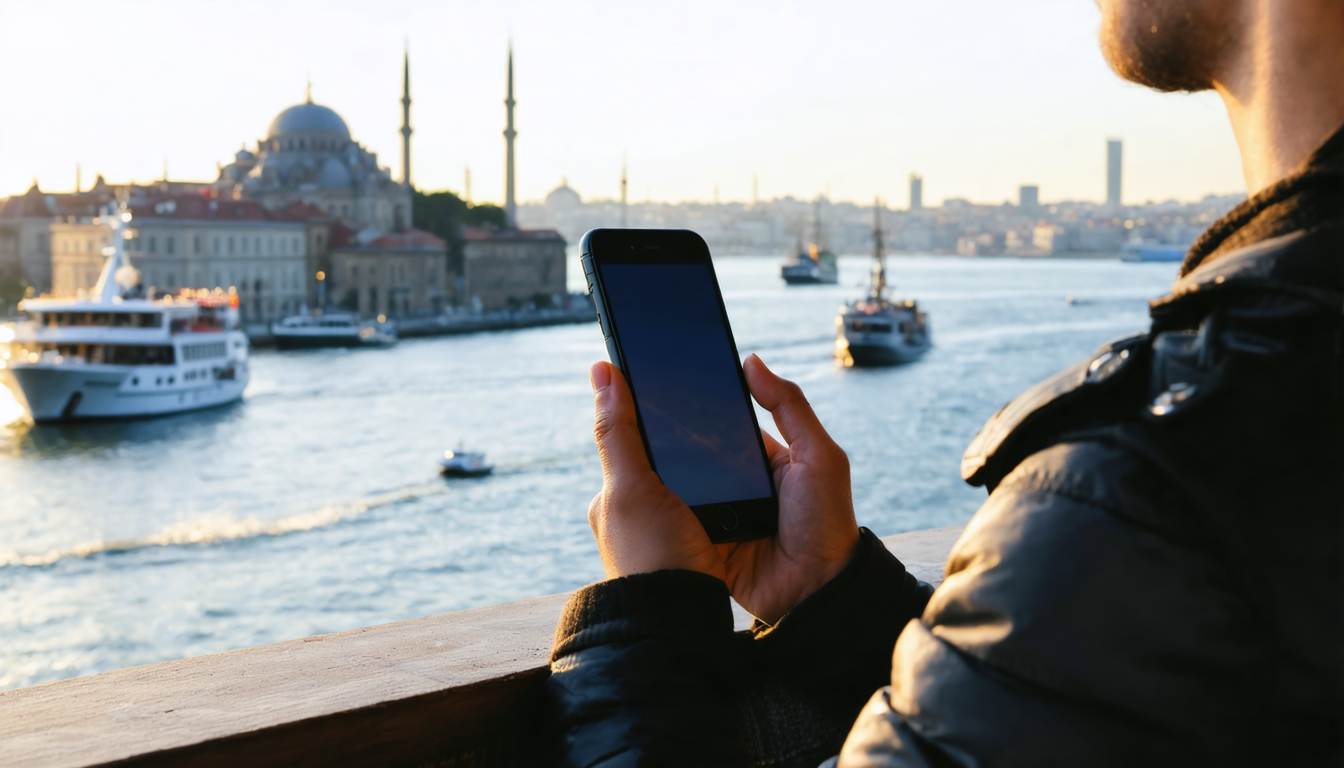
Turkey's three major carriers—Turkcell, Vodafone, and Orange—offer excellent coverage across Istanbul, the Mediterranean coast, and Cappadocia, but roaming charges from your home carrier can quickly become painful. A single day of casual browsing and messaging on roaming can cost two to three times what you'd pay for a week of local data. Understanding your options before you land makes a real difference.
Local SIM Cards: The Traditional Route
You can buy a prepaid SIM card at Istanbul Airport, Antalya, or any city carrier shop. Turkcell, Vodafone, and Orange all stock them, and registration is straightforward—just bring your passport. Activation is instant, and local rates are genuinely cheap: a few gigabytes for a week typically costs less than a single day of roaming. The downside is time: you'll need to visit a counter, swap your physical SIM, and your home number becomes unreachable until you switch back. If you rely on WhatsApp, Telegram, or SMS verification codes sent to your regular number, this creates friction.
Coverage in Tourist Areas
Turkcell leads in network quality and coverage, especially in rural regions and smaller towns. If you're island-hopping in the Aegean, hiking near Antalya, or exploring Cappadocia's fairy chimneys, Turkcell's signal is most reliable. All three carriers offer 4G/LTE in major cities and tourist corridors. Dead zones are rare on the Mediterranean coast, but mountain villages and remote hiking trails may have 3G only—still workable for messaging and maps, though slower for video.
How Much Data Do You Need?
For a typical two-week trip: maps and navigation use 200–300 MB per day if you download offline maps beforehand. Messaging apps (WhatsApp, Telegram) use minimal data unless you're video-calling. Social media and casual browsing add another 500 MB to 1 GB daily, depending on your habits. Streaming video or large photo uploads will burn through data quickly. Most visitors find 5–10 GB sufficient for a week, leaving room for unexpected use.
The eSIM Alternative
If swapping SIMs sounds annoying, or you need your home number to stay active for calls and SMS, an eSIM is worth considering. You keep your regular SIM in your phone and activate a second profile instantly—no physical swap, no airport counter queue. Your WhatsApp, iMessage, and two-factor authentication codes keep flowing to your real number while you browse on local Turkish data. The eSIM arrives as a QR code by email seconds after purchase, so you can activate it before you even board your flight. Coverage is identical to any local prepaid SIM, since you're connecting to the same Turkish carriers.
Turkey's tourism infrastructure is mature and welcoming. Mobile connectivity is reliable, affordable, and straightforward once you know your options. Whether you choose a traditional SIM or an eSIM, you'll stay connected across Istanbul's bazaars, Cappadocia's valleys, and the turquoise Aegean without the sting of roaming bills.
For current plans and prices for Turkey, visit doft.com/esim. If you prefer the simplicity of keeping your own number active throughout your trip, it's worth a look.
Source: news.google.com
Traveling soon?
Get your eSIM in minutes and land connected — plans from $2.99.